
In today’s fast-paced digital world, businesses need efficient ways to communicate with their customers. One of the best tools for this purpose is a whatsapp api provider.
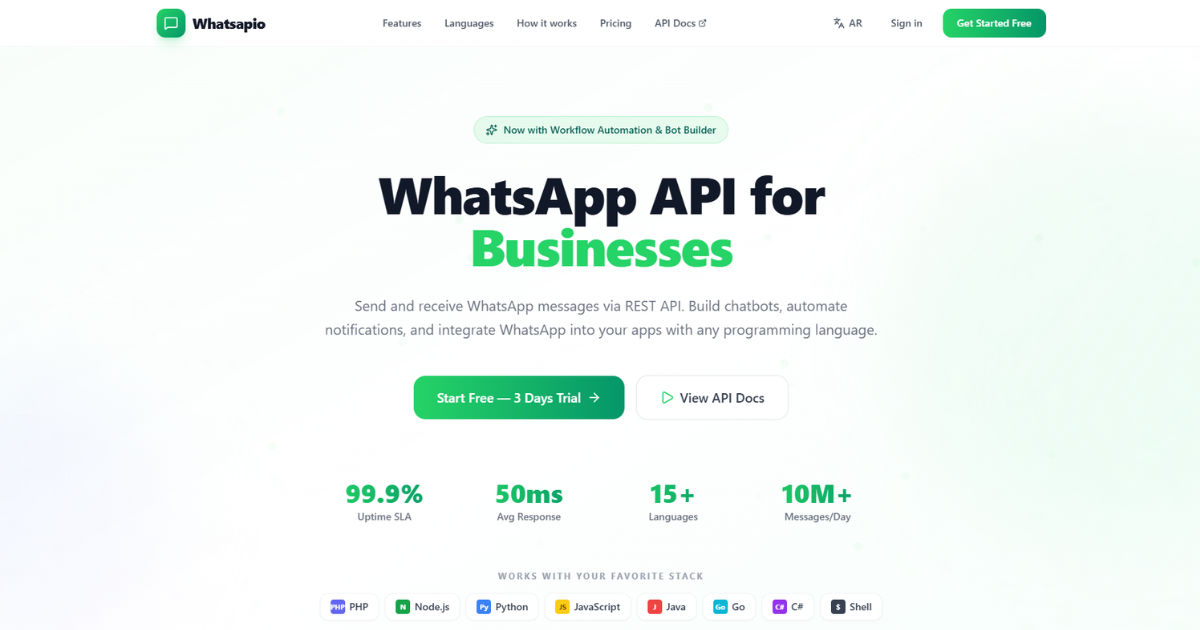 Using the WhatsApp API allows businesses to send messages, notifications, and updates directly to customers at scale. It is faster, more reliable, and professional compared to using personal WhatsApp accounts.
Creating a whatsapp api provider account may sound technical and complex at first. However, with the right guidance, anyone can set up their account quickly and efficiently.
This blog will walk you through the complete process of creating a WhatsApp API provider account, step by step. By the end, you will understand the requirements, the setup process, and tips to avoid common mistakes.
What is a WhatsApp API Provider?
Before diving into the setup, it's important to understand what a whatsapp api provider is.
A WhatsApp API provider is a service that allows businesses to integrate WhatsApp into their systems. Instead of using the regular WhatsApp app, businesses can automate messages, send bulk notifications, and manage customer interactions more efficiently.
Unlike personal WhatsApp accounts, an API provider account is designed for professional use. It can be connected to CRM systems, chatbots, and other software to manage large-scale messaging operations.
Key benefits include:
- Automated messaging for customer service
- Integration with business tools and software
- Ability to send notifications, alerts, and updates
- Secure and reliable communication
A whatsapp api provider is especially useful for businesses that have a high volume of customer interactions, such as e-commerce stores, banks, and service companies.
Requirements to Create a WhatsApp API Provider Account
Before starting the setup process, you need to ensure you have the necessary requirements.
1. A Verified Business
WhatsApp requires that businesses be verified before they can use the API. This means you must provide:
- Business name
- Business registration documents
- Website or social media proof
Verification helps maintain trust and ensures that the API is used by legitimate businesses.
2. A Phone Number
A dedicated phone number is required for the WhatsApp API account. You cannot use the same number linked to a personal WhatsApp account.
- The number can be either a mobile or a landline number
- Ensure the number can receive calls or SMS for verification
- Do not use a number previously linked with WhatsApp Business
3. A Facebook Business Manager Account
Since WhatsApp is owned by Facebook (Meta), you need a verified Facebook Business Manager account.
- Go to Facebook Business Manager and create an account
- Add your business details accurately
- Complete business verification
Without a verified business manager account, you will not be able to create a whatsapp api provider account.
4. Basic Technical Knowledge
While creating a WhatsApp API provider account is simple, some basic technical understanding is helpful. You may need to:
- Connect your API to a CRM or software
- Generate API keys and tokens
- Manage message templates and automation
However, most API providers also offer step-by-step guides and support to simplify these steps.
Steps to Create a WhatsApp API Provider Account Fast
Now, let’s move on to the actual process of creating a whatsapp api provider account.
Step 1: Choose the Right WhatsApp API Provider
There are many WhatsApp API providers in the market. Choosing the right one depends on your business needs, budget, and support requirements.
Consider these factors:
- Ease of integration with your existing systems
- Pricing plans and hidden costs
- Customer support availability
- Features such as automation, bulk messaging, and analytics
Some popular API providers offer free trials, which can help you test the platform before committing.
Step 2: Sign Up for an Account
Once you’ve chosen a provider, go to their website and sign up. Usually, you need to provide:
- Your name and business name
- Email address and contact number
- Details about your business type and size
After signing up, you will receive a confirmation email to verify your account.
Step 3: Verify Your Business
Next, you need to verify your business. This process usually involves:
- Uploading business documents (registration certificate, tax ID, or proof of address)
- Linking your Facebook Business Manager account
- Providing a website or social media link
Verification can take from a few hours to a few days. Some providers offer expedited verification for an extra fee.
Step 4: Add Your Phone Number
After verification, you can add the phone number you will use for messaging.
- Choose a dedicated number that is not linked to another WhatsApp account
- Receive the verification code via SMS or call
- Enter the code in your API provider dashboard to confirm
This step ensures that your account is active and ready to send messages.
Step 5: Generate API Keys and Tokens
Once your number is verified, the provider will generate API keys and access tokens. These are essential for connecting WhatsApp to your business software or CRM.
- Keep these keys secure and do not share them
- Use the keys to integrate with your messaging system or automation tools
- Test the integration with a few messages before going live
Step 6: Create Message Templates
WhatsApp requires pre-approved message templates for certain types of communication, like notifications and alerts.
- Draft message templates according to WhatsApp rules
- Submit them for approval in your API provider dashboard
- Wait for approval before sending messages to customers
Properly designed templates save time and reduce the chances of message rejection.
Step 7: Test Your Setup
Before sending messages to your customers, test your setup:
- Send messages to a few test numbers
- Check for message delivery and formatting issues
- Ensure automated responses are working properly
Testing helps you catch errors early and ensures smooth communication when you go live.
Tips for Speeding Up the Account Creation Process
Creating a WhatsApp API provider account can take time if not planned properly. Here are some tips to make the process faster:
1. Prepare Documents in Advance
Have your business documents, phone number, and Facebook Business Manager details ready before starting.
2. Use a Dedicated Number
Using a number already associated with WhatsApp Business may cause delays. Get a fresh number for your API account.
3. Choose a Reliable Provider
Some providers offer faster verification and setup. Research and select one that emphasizes quick onboarding.
4. Follow Template Guidelines Carefully
Submitting incorrect message templates can delay approval. Follow WhatsApp’s official guidelines strictly.
5. Keep Your Technical Team Ready
If integrating with CRM or automation tools, have your technical team on standby. Quick action can reduce delays.
Common Mistakes to Avoid
Even small mistakes can slow down the setup of a WhatsApp API provider account. Avoid these pitfalls:
- Using personal WhatsApp numbers
- Uploading unclear business documents
- Ignoring template guidelines
- Choosing a provider without proper support
- Not testing your setup before going live
Avoiding these mistakes will save you time and ensure your account works smoothly from the start.
Benefits of Using a WhatsApp API Provider
Once your account is ready, you can enjoy many benefits:
1. Automation
Automate responses, reminders, and notifications to save time and reduce human error.
2. Customer Engagement
Interact with customers directly through WhatsApp, which has high engagement rates.
3. Professional Communication
Using an API provider account allows branded and secure communication with customers.
4. Integration with Software
Connect WhatsApp to your CRM, e-commerce platform, or customer support system for seamless management.
5. Analytics and Reporting
Most API providers offer detailed analytics, helping businesses track message performance and customer interaction.
Choosing the Right WhatsApp API Provider
Choosing the right whatsapp api provider is critical for your business success. Here are key factors to consider:
- Reliability: Ensure high uptime and message delivery rates
- Support: 24/7 customer support is crucial for fast troubleshooting
- Pricing: Look for transparent pricing without hidden fees
- Features: Check for automation, chatbots, analytics, and multi-agent support
- Scalability: Make sure the provider can handle your growing business needs
Research and read reviews before finalizing a provider. A good choice will save time and enhance business efficiency.
Conclusion
Creating a whatsapp api provider account is a smart step for businesses looking to improve customer communication. While the process may seem technical, following the steps outlined in this guide can help you set up your account quickly and efficiently.
Start by preparing your documents, choosing the right provider, verifying your business, and setting up your phone number. Follow it up with API key generation, message template creation, and proper testing. Avoid common mistakes and leverage automation to get the most out of your WhatsApp API provider account.
By taking these steps, businesses can ensure faster onboarding, smoother messaging, and improved customer engagement. Using a whatsapp api provider is no longer optional—it is a necessity for businesses that want to stay competitive in today’s digital world.
With careful planning and the right tools, you can have your WhatsApp API provider account ready in no time, helping you connect with your customers efficiently and professionally.