
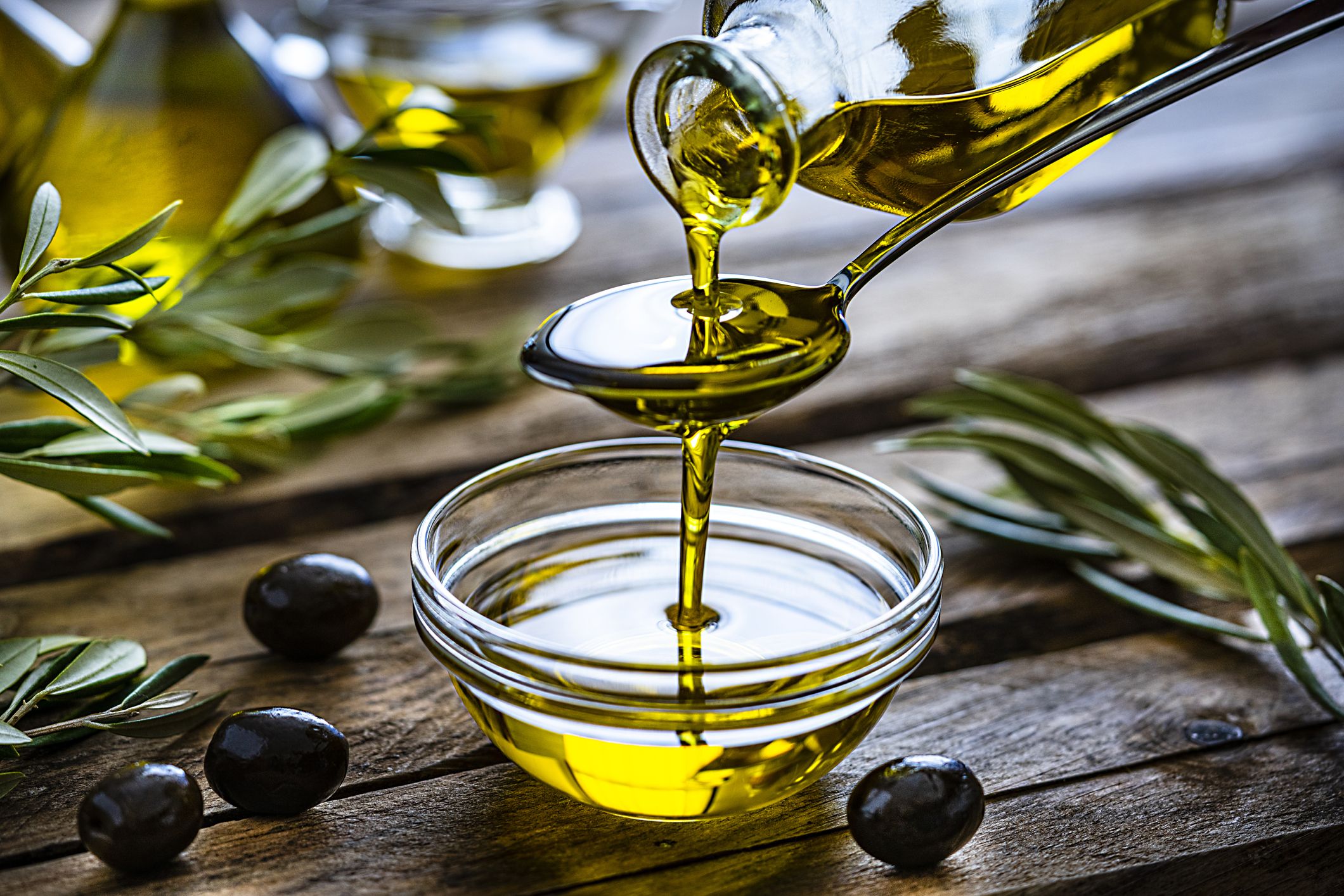
Selecting insurance premium oils for routine preparation is a perceptive art that balances season, nourishment, smoke direct, and cost. While it s easy to grab whatever bottle is on sale, those who value taste and wellness know that not all oils are created rival. A insurance premium cookery oil enhances dishes, complements ingredients, and can even volunteer health benefits when elect sagely. The key lies in understanding what makes an oil insurance premium and how its characteristics align with your cookery needs Refined sunflower oil.
One of the first things to consider when choosing a high-quality oil is its method. Cold-pressed or expeller-pressed oils tend to hold back more of their natural nutrients and flavour because they aren t subjected to high heat or chemical substance processing. This results in a more reliable product, rich in scen and texture. Extra Virgin olive oil, for exemplify, is a top-tier choice when it comes to dressings, saut ing, and finish dishes. Its tasty notes and tasty land up come from minimum processing and high-quality olives, qualification it a favorite in Mediterranean-style cooking.
Smoke point is another essential factor, especially for those who cook at high temperatures. Oils like avocado tree, purified coco, and high-oleic helianthus oil can withstand more heat without breaking down or producing unwholesome compounds. This makes them paragon for frying, roasting, or stir-frying. Using an oil beyond its smoke direct not only degrades its nutritionary value but can also acquaint an sulfurous taste or even pose wellness risks.
Flavor is also a considerable in selecting the right oil. Premium oils should offer a clean, well-defined smack that complements the food rather than overwhelms it. Nut oils such as walnut tree or hazelnut oil play and complexity to simpleton dishes but are best used meagrely and raw to save their difficult flavors. On the other hand, nonaligned oils like grapeseed or rice bran are excellent for recipes where you don t want the oil to mold the final smack.
Sourcing and packaging also matter to more than many realise. A insurance premium oil often comes from honored producers who maintain demanding standards from harvest to bottling. Dark glass bottles or metal tins help protect the oil from get off and heat, which can degrade timber over time. Labels that indicate inception, glean date, and certifications such as organic fertiliser or non-GMO status provide additive confidence of genuineness and novelty.
Ultimately, selecting a premium oil is about making wilful choices supported on how you cook, what flavors you prefer, and how much you’re willing to enthrone in timbre. While premium oils may a higher terms tag, their impact on flavor and alimentation can be well worth the cost. When chosen thoughtfully, they raise workaday meals and subscribe a better, more satisfying preparation go through.