
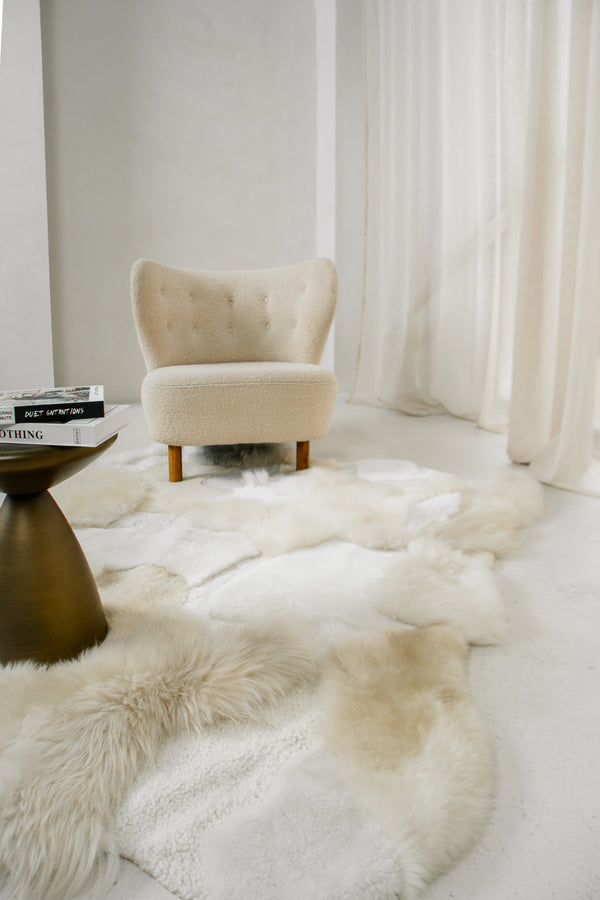
Forget the rustic rugs of your grandparents’ cabin. The humble sheepskin is undergoing a radical reinvention. No longer confined to the realm of traditional interiors or aviator jackets, this natural material is being reimagined by a new generation of designers, tech innovators, and eco-conscious consumers. In 2024, sheepskin is shedding its old skin, emerging as a surprisingly versatile, sustainable, and downright quirky element in modern life. Recent market analysis indicates a 15% growth in the demand for ethically sourced, uniquely finished sheepskins, signaling a shift away from mass production towards artisanal and narrative-driven products.
From Shepherd’s Field to Silicon Valley
The most unexpected frontier for sheepskin is the world of technology. As the digital realm becomes more immersive, there’s a growing counter-movement seeking tactile, sensory experiences. Enter the concept of “tech-comfort.” Startups are now incorporating small, high-quality sheepskin patches into ergonomic accessories. Imagine a mousepad with a plush sheepskin wrist rest that reduces strain during marathon coding sessions, or a laptop sleeve lined with supple shearling to make your device feel less like a cold tool and more like a cherished object. This isn’t just about comfort; it’s about creating a physical anchor in an increasingly virtual world, a trend psychologists are calling “sensory grounding.”
- The Gamer’s Cradle: An ergonomic keyboard rest made from breathable sheepskin, designed to keep hands warm and supported during long gaming sessions.
- The VR Cozy: Detachable sheepskin liners for virtual reality headsets, addressing the discomfort of prolonged use with a soft, temperature-regulating barrier.
- Phone Cozies: Handcrafted sleeves that reject slick plastic for warm, natural fibers, making the simple act of holding a phone more pleasant.
Case Study: The Upcycled Flock of ‘Wool & Weave’
In Cornwall, UK, a small enterprise called ‘Wool & Weave’ is tackling waste in a creative way. They partner with local farms that raise sheep primarily for meat, sourcing skins that would otherwise be discarded. Their unique angle? They celebrate the “imperfections.” Each sheepskin is mapped and cataloged, with its natural markings—a unique scar, a patch of darker wool, a distinct pattern—highlighted as a feature, not a flaw. Customers can view the “passport” of their skin, learning about the farm it came from. This transparency and storytelling have created a loyal following, with their 2024 collection selling out in under a week, proving that consumers crave products with a authentic, traceable history.
The Artistic Medium: Sculptural Sheepskin
Beyond functional objects, sheepskin is being embraced as a sculptural medium by contemporary artists. Its texture, volume, and organic drape offer possibilities that traditional materials like stone or metal do not. Artists are stitching, folding, and stretching skins over frames to create stunning wall hangings and free-standing forms that explore themes of nature, comfort, and the body. These pieces challenge our perception of the material, transforming it from a domestic accessory into a provocative art object that engages both the visual and tactile senses.
Case Study: ‘Bio-Tone’ and the Science of Color
A Scandinavian bio-tech company, ‘Bio-Tone,’ has pioneered a revolutionary dyeing process using natural pigments derived from food waste—avocado pits, onion skins, and beetroot. Their 2024 line of sheepskins comes in a palette of muted pinks, soft greys, and earthy greens that are completely biodegradable and non-toxic. This addresses one of the traditional environmental downsides of leather and fur production: chemical tanning and dyeing. The result is a collection of sheepskins that are not only beautiful but also represent a significant step forward in sustainable material science, appealing to the eco-luxury market.
Why the Quirk? The Psychology of Natural Materials
This resurgence is deeply rooted in a cultural shift. In an age of synthetic everything and homogenous design, people are seeking authenticity and connection. A quirky, unique sheepskin offers a direct link to the natural world. Its inherent variations in texture and color provide a visual and tactile richness that flat, manufactured materials cannot replicate. It satisfies a deep-seated human desire for warmth, softness, and objects that tell a story. It’s a conscious rejection of the impersonal, a small piece of pastoral serenity brought into urban homes and