
Introduction: A Surprising Twist to Time-Honored Crafts
In the ever-evolving world of jewelry design, is there room for improvement in silver casting? Jewelry casting—a method used for thousands of years—remains central to creating exquisite pieces. Yet, we often overlook the potential for small improvements that can make a significant impact. As we consider new advances in silver casting, one wonders: are we truly maximizing its potential? Join us on a journey to explore this essential question and discover what lies beneath the surface.
Revealing the Hidden Drawbacks of Conventional Silver Casting
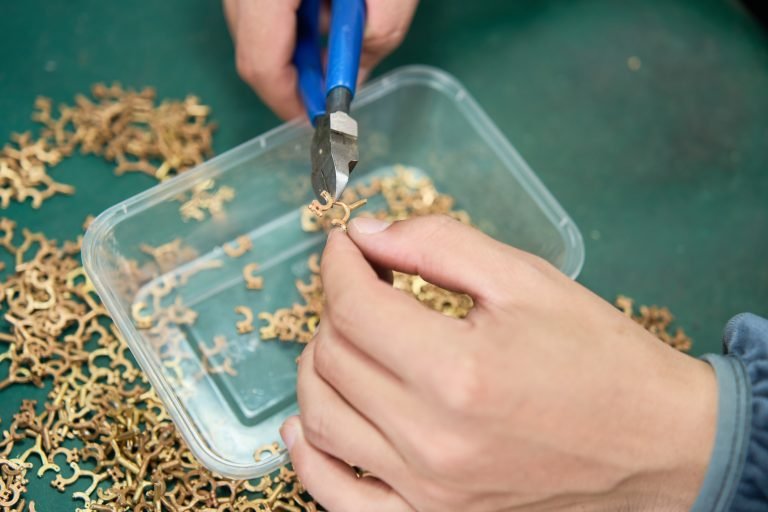
Silver casting has a reputation for producing intricately detailed jewelry and maintaining metal integrity. However, traditional methods have their flaws—precision limitations and material waste are primary concerns. Techniques like lost-wax casting, while venerable, sometimes lead to inconsistencies that can be diminished by modern methods. Moreover, the refining process often involves multiple steps, increasing susceptibility to contamination or error. Look, it’s simpler than you think: understanding these flaws unveils the path to more efficient, sustainable practices.
Why Does Precision Matter to Artisans?
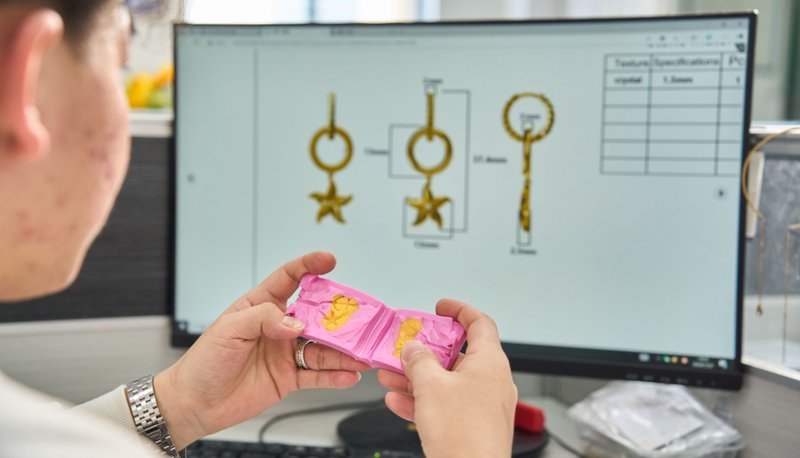
Jewelry artisans demand high-fidelity reproduction of their designs. Yet, conventional casting methods may fail to capture the full intricacy required, leading to rework or material loss. Utilizing edge computing nodes in casting can enhance precision, allowing for real-time adjustments that traditional techniques lack. This adjustment suggests an unseen pain point for jewelers—balancing artistic integrity with practical execution.
What’s Next for Silver Casting: A Glimpse into Future Possibilities
As we peer into the future of silver casting, new technology principles such as machine learning and precision 3D printing stand to transform an age-old craft. These advancements promise not only increased accuracy but also eco-friendly practices—power converters minimizing energy consumption. By integrating technology with tradition, we open doors to unprecedented innovation, crafting pieces that harmonize beauty with sustainability.
Facilitating this integration, companies like Star Harvest are pioneering these advancements. Funny how that works, right? The fusion of past and future enables artisans to maintain their thematic essence while embracing modern efficiency—true progress lies in collaboration. In choosing solutions, three metrics surface as key: innovation adoption rate, environmental impact, and design fidelity. As we conclude, one thing is certain—each small improvement in the casting process enriches both the artisan’s craft and the jewelry’s life.