
A well-prepared Serbia Travel Guide helps travelers discover a country full of history, culture, natural beauty, and vibrant city life. Located in Southeast Europe, Serbia offers a mix of ancient landmarks, lively modern cities, and stunning landscapes that many visitors do not expect.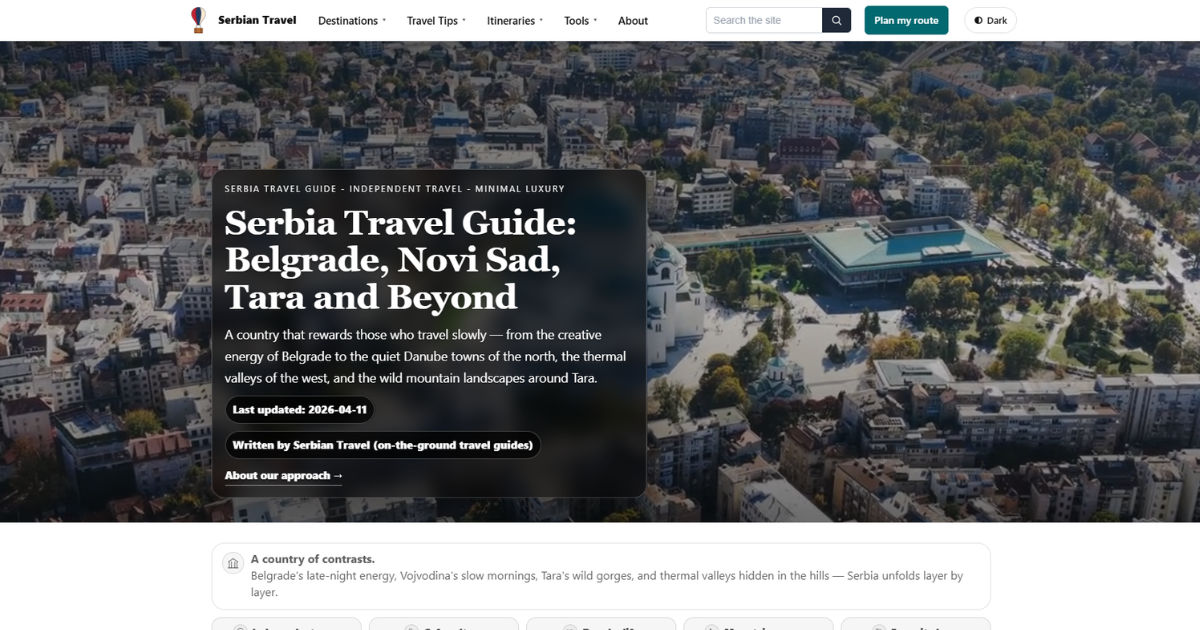
From historic fortresses in Belgrade to peaceful monasteries in the mountains, Serbia is a destination that surprises travelers with its diversity. This Serbia Travel Guide explores the most important attractions that you should include when planning your trip.
Belgrade – The Heart of Serbia
Kalemegdan Fortress and Park
One of the most iconic attractions in Belgrade is the Kalemegdan Fortress. It sits at the meeting point of the River Sava and the Danube River, offering breathtaking panoramic views.
Inside the fortress, visitors can explore:
- Ancient city walls
- Roman ruins
- Military museums
- Scenic walking paths
The surrounding Kalemegdan Park is perfect for relaxing, watching sunsets, and enjoying street performers.
Knez Mihailova Street
This pedestrian street is the main shopping and cultural hub of Belgrade. It is lined with:
- Cafes and restaurants
- Bookstores and galleries
- Historic buildings
It is also one of the best places to experience the local lifestyle and energy of the city.
Skadarlija – The Bohemian Quarter
Skadarlija is often called the “Montmartre of Belgrade.” This cobblestone street is filled with traditional Serbian restaurants, live music, and artistic charm. Visitors come here for:
- Local cuisine
- Traditional music performances
- Historic taverns called “kafanas”
Novi Sad – Cultural Capital of Serbia
Petrovaradin Fortress
Located across the Danube River, Petrovaradin Fortress is one of the largest and most impressive fortresses in Europe. It is famous for its underground tunnels and its famous clock tower.
Key highlights include:
- Stunning river views
- Art studios and museums
- The EXIT music festival
Novi Sad City Center
The city center is calm and elegant, with Austro-Hungarian architecture and open squares. Popular spots include:
- Freedom Square
- Zmaj Jovina Street
- Local cafés and bakeries
Novi Sad is also known for its relaxed atmosphere compared to Belgrade.
Serbian Monasteries – Spiritual Heritage
Studenica Monastery
A UNESCO World Heritage Site, Studenica Monastery is one of the most important religious sites in Serbia. Built in the 12th century, it is known for its beautiful Byzantine architecture and frescoes.
Visitors come here to:
- Learn about Orthodox Christianity
- Admire medieval art
- Experience peaceful surroundings
Žiča Monastery
This monastery has great historical importance because Serbian kings were crowned here. The red-painted walls make it visually unique.
Mileševa Monastery
Home to the famous “White Angel” fresco, Mileševa is one of the most treasured cultural landmarks in the country.
Natural Attractions in Serbia
Tara National Park
Tara National Park is one of the most beautiful natural areas in Serbia. It is covered with dense forests, mountains, and wildlife.
Visitors can enjoy:
- Hiking trails
- Drina River viewpoints
- Wildlife spotting (including brown bears)
Đerdap National Park (Iron Gates Gorge)
This park is home to the longest gorge in Europe, formed by the Danube River. It is known for dramatic cliffs and historical sites like Lepenski Vir, an ancient archaeological settlement.
Uvac Canyon
Famous for its winding river curves, Uvac Canyon is one of the most photographed natural sites in Serbia. It is also home to the rare griffon vulture.
Cultural Attractions in Serbia
National Museum of Serbia
Located in Belgrade, this museum showcases:
- Archaeological artifacts
- Medieval art collections
- Modern Serbian artwork
It is a great place to understand the country’s long history.
Nikola Tesla Museum
Dedicated to the famous inventor Nikola Tesla, this museum displays:
- Tesla’s personal belongings
- Scientific models and inventions
- Interactive exhibits
It is one of the most visited museums in Serbia.
Ethnographic Museum
This museum focuses on Serbian traditions, including:
- Traditional clothing
- Folk customs
- Rural lifestyle exhibits
Historic Sites Across Serbia
Smederevo Fortress
Built in the 15th century, this fortress is one of the largest medieval structures in Europe. It played a key role in defending Serbia during the Ottoman period.
Golubac Fortress
Located at the entrance of Đerdap Gorge, Golubac Fortress looks like something from a fantasy story. Its towers sit dramatically on cliffs above the Danube River.
Niš Fortress
Niš Fortress is located in one of Serbia’s oldest cities. It contains Ottoman-era architecture and open public spaces used for events and festivals.
Religious and Architectural Landmarks
Saint Sava Temple
One of the largest Orthodox churches in the world, the Temple of Saint Sava in Belgrade is an architectural masterpiece. Its massive white marble exterior and golden dome dominate the city skyline.
Inside, visitors find:
- Stunning mosaics
- Peaceful prayer halls
- Impressive religious art
Subotica City Hall
Subotica is known for its Art Nouveau architecture. The City Hall is one of its finest examples, featuring colorful tiles and detailed designs.
Hidden Gems in Serbia
Drvengrad (Mokra Gora)
Also known as “Wooden Town,” Drvengrad is a traditional village built by filmmaker Emir Kusturica. It feels like an open-air museum.
Vrnjačka Banja
This spa town is famous for its healing mineral waters and relaxing environment. It is ideal for wellness tourism.
Niš – Historical Crossroads
Niš is one of the oldest cities in Europe and the birthplace of Constantine the Great. Attractions include:
- Skull Tower (Ćele Kula)
- Archaeological sites
- Roman ruins
Serbian Cuisine and Food Culture
No travel experience is complete without food. Serbia offers rich and hearty cuisine influenced by Balkan, Mediterranean, and Central European traditions.
Popular dishes include:
- Ćevapi (grilled meat)
- Sarma (cabbage rolls)
- Pljeskavica (Serbian burger)
- Ajvar (pepper spread)
Food is often enjoyed in traditional restaurants called kafanas, where music and hospitality are part of the experience.
Festivals and Events
EXIT Festival
Held in Novi Sad, EXIT Festival is one of the largest music festivals in Europe. It takes place inside Petrovaradin Fortress and attracts global artists.
Guča Trumpet Festival
This festival celebrates traditional brass band music and Serbian culture. It is lively, loud, and full of energy.
Why Serbia is a Unique Travel Destination
Serbia stands out because it combines:
- Rich history from Roman to Ottoman times
- Beautiful natural landscapes
- Warm hospitality
- Affordable travel costs
- Vibrant nightlife and culture
Unlike heavily commercial tourist destinations, Serbia still feels authentic and less crowded.
Travel Tips for Visiting Serbia
- Learn a few basic Serbian phrases
- Use public transport or rent a car for rural areas
- Carry cash for small towns
- Try local food in traditional restaurants
- Visit in spring or autumn for best weather
Conclusion
Serbia is a country that offers something for every type of traveler. Whether you are interested in history, nature, culture, or food, this destination provides a rich and memorable experience. From the lively streets of Belgrade to the peaceful monasteries in the mountains, every part of the country tells a different story.
A complete Serbia Travel Guide reveals that the country is not just a stop on a map but a destination full of character, depth, and charm. Travelers who explore it often leave with unforgettable memories and a desire to return.