
A urine test is a common medical test used to check your health. It can detect infections, kidney issues, diabetes, pregnancy, and sometimes drugs or other substances depending on the type of test. Many people feel unsure before taking one, especially if it is their first time.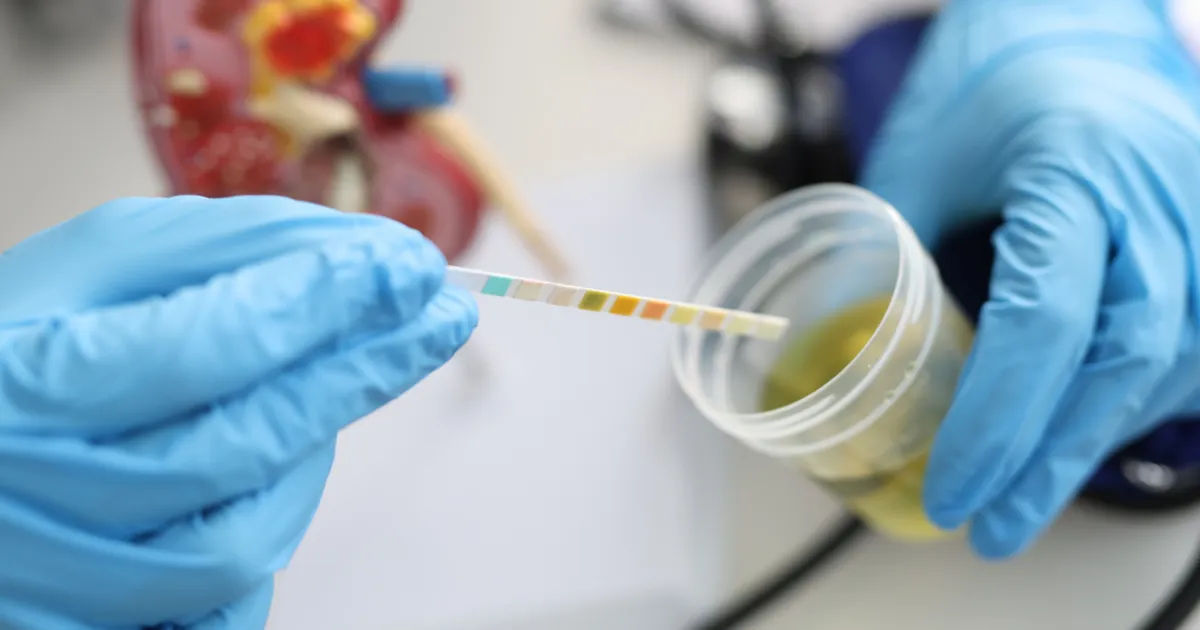
Some even search questions like “can you freeze urine for a drug test” out of confusion or anxiety, but in reality, preparing for a urine test is usually simple and straightforward when you understand the correct steps.This guide explains everything you need to know in a clear and practical way.
A Urine Test
A urine test (also called urinalysis) examines your urine for signs of health conditions. It is usually done in hospitals, clinics, or labs.
What doctors look for in urine:
- Sugar (glucose)
- Protein
- Blood cells
- Bacteria
- Drugs or medications (in specific tests)
- pH level (acidity)
- Hydration level
There are different types of urine tests, such as routine tests, culture tests, and drug screenings.
Why You Might Need a Urine Test
Doctors recommend urine tests for several reasons:
Common reasons include:
- Checking for urinary tract infections (UTIs)
- Monitoring kidney function
- Diagnosing diabetes
- Confirming pregnancy
- Detecting drug use (if required by workplace or legal settings)
- Investigating pain or unusual symptoms
It is a simple test, but it gives a lot of important information about your body.
General Preparation Before a Urine Test
In most cases, no special preparation is needed. However, following a few basic guidelines can help ensure accurate results.
Stay Hydrated (But Don’t Overdo It)
Drink normal amounts of water before the test. Being slightly hydrated helps produce a good sample, but drinking too much water right before the test can dilute your urine and affect results.
Avoid Certain Foods if Advised
Some foods can change urine color or results. For example:
- Beets may turn urine red or pink
- Asparagus may change odor
- Excess vitamin B supplements may affect color
Your doctor may advise you to avoid these before testing.
Medications and Supplements
Always inform your doctor about any medicines or supplements you take.
Why this matters:
Some medications can affect test results, including:
- Antibiotics
- Diuretics (water pills)
- Vitamin supplements
- Pain relievers
Never stop taking prescribed medicine unless your doctor tells you to.
Hygiene Before the Test
Good hygiene is important to avoid contamination of the sample.
Steps to follow:
- Wash your hands before the test
- Clean the genital area gently
- Use provided wipes if available
This helps ensure the sample is accurate and not affected by outside bacteria.
What Happens During the Urine Test
The process is usually very quick and simple.
Step-by-step process:
- You receive a sterile container
- You begin urinating into the toilet first
- You collect midstream urine in the container
- You finish in the toilet
- You close the container tightly
- You return it to the technician
This method is called a “midstream clean-catch” sample.
Tips for Providing a Good Sample
Don’t rush
Take your time so the sample is properly collected.
Follow instructions carefully
Different labs may have slightly different rules.
Avoid touching inside the container
This prevents contamination.
Label correctly
Make sure your sample is properly labeled if required.
What to Avoid Before a Urine Test
To ensure accurate results, avoid the following unless instructed otherwise:
Avoid:
- Excessive water intake right before test
- Alcohol consumption
- Recreational drugs
- Intense exercise just before testing
- Unnecessary delay in submitting the sample
These factors can change urine composition temporarily.
Special Instructions for Drug Tests
If your urine test is part of a drug screening, procedures may be more strict.
What to expect:
- You may be observed during sample collection
- Strict temperature checks may be done on the sample
- Identification is required
- Chain-of-custody procedures may be used
These steps are used to ensure accuracy and prevent tampering.
How Long Results Take
Urine test results can be ready quickly or take a few days.
Typical timelines:
- Basic urinalysis: same day or 24 hours
- Culture tests: 2–3 days
- Drug screening: 1–3 days depending on lab
Your doctor will explain when to expect results.
What Abnormal Results Mean
An abnormal result does not always mean something serious.
Possible reasons include:
- Mild infection
- Dehydration
- Temporary illness
- Diet changes
- Medication effects
Doctors often recommend follow-up tests before making conclusions.
Common Myths About Urine Tests
There are many misunderstandings about urine testing.
Myth 1: You must fast before a urine test
Not true for most tests.
Myth 2: Drinking lots of water helps you pass
Overhydration can actually distort results.
Myth 3: Only sick people need urine tests
Healthy people may also take them for routine checks.
Myth 4: Results are always instant
Some tests require lab analysis and take time.
Emotional Preparation
Some people feel nervous before a urine test, especially if it is linked to medical concerns or employment.
How to stay calm:
- Understand the process beforehand
- Remember it is a routine test
- Ask questions if unsure
- Focus on following instructions properly
Being informed helps reduce anxiety.
When to Contact a Doctor
After the test, you should contact your doctor if:
- You experience pain while urinating
- You notice blood in urine
- You have ongoing urinary symptoms
- You don’t understand your results
Do not self-diagnose based only on results.
Conclusion
Preparing for a urine test is usually simple and stress-free. In most cases, you only need to follow basic hygiene, stay normally hydrated, and carefully follow instructions given by healthcare staff. Avoiding extreme behaviors like overdrinking water or ignoring medical advice ensures the most accurate results.
A urine test is one of the most useful diagnostic tools in modern medicine because it provides quick insight into many aspects of health. Whether it is used for infection screening, kidney evaluation, or routine checkups, it plays an important role in early detection and treatment.
Understanding the process helps you feel more confident and ensures the sample you provide is accurate and useful for diagnosis.