
Vehicle owners often wonder what happens after they send an old, damaged, or unwanted car to car wreckers. While many people assume these vehicles are simply crushed and thrown away, the reality is very different.
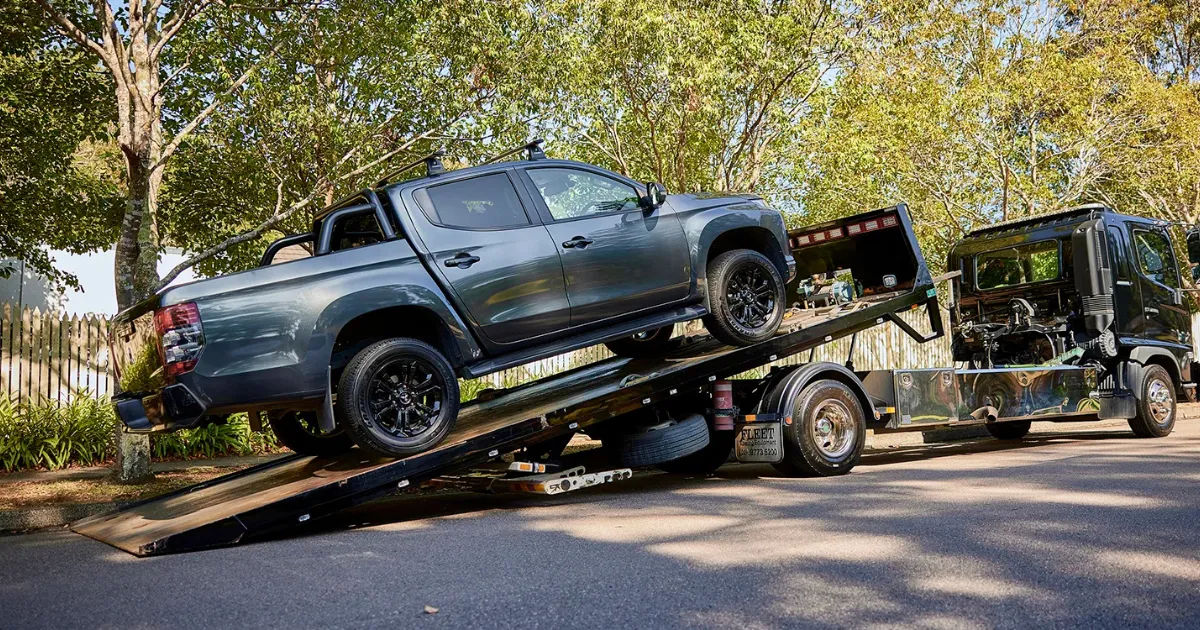
Modern car wreckers follow a systematic process that focuses on recycling, environmental protection, and recovering valuable components. Every vehicle that arrives has the potential to provide reusable parts, recyclable materials, and resources that can benefit both consumers and the automotive industry.
Understanding what happens at vehicle wreckers can help car owners make informed decisions when it is time to dispose of a vehicle. It also highlights the important role the industry plays in reducing waste and supporting sustainable automotive practices.
What Are Vehicle Wreckers?
Vehicle wreckers are businesses that specialize in dismantling old, damaged, written-off, or unwanted vehicles. Their primary goal is to recover usable parts, recycle valuable materials, and safely dispose of hazardous substances.
Instead of allowing unwanted vehicles to end up in landfills, vehicle wreckers carefully inspect each vehicle to determine which components can be reused. This process extends the life of many automotive parts while reducing the need to manufacture new ones.
Why People Choose Vehicle Wreckers
There are many reasons why owners take their vehicles to vehicle wreckers.
Some vehicles have been involved in serious accidents and are no longer economical to repair. Others have reached the end of their lifespan after years of reliable service. Mechanical failures, flood damage, fire damage, and excessive rust may also make repairs too expensive.
Vehicle wreckers offer a practical solution by purchasing these vehicles and ensuring they are dismantled responsibly.
The Arrival and Inspection Process
Every vehicle begins its journey with a detailed inspection.
Once the vehicle arrives, trained staff record important information such as the make, model, year, and overall condition. They examine the engine, transmission, suspension, electronics, and body panels to determine which parts remain in good working order.
This inspection helps vehicle wreckers identify valuable components before dismantling begins.
Removing Hazardous Materials
One of the most important steps is removing hazardous materials.
Vehicles contain several fluids that cannot simply be left inside during dismantling. These include:
-
Engine oil
-
Transmission fluid
-
Brake fluid
-
Power steering fluid
-
Coolant
-
Fuel
-
Windshield washer fluid
Technicians safely drain these fluids using specialized equipment.
Batteries are also removed because they contain chemicals that require proper recycling. Air conditioning refrigerants are carefully extracted to prevent harmful emissions into the atmosphere.
This stage ensures the dismantling process remains environmentally responsible.
Recovering Reusable Auto Parts
Many vehicles still contain parts that function perfectly even after the vehicle itself is no longer roadworthy.
Vehicle wreckers carefully remove these reusable components.
Commonly recovered parts include:
Engines
Many engines continue to perform well even after the vehicle has been written off due to collision damage.
Transmissions
Automatic and manual transmissions are valuable components that can often be refurbished and resold.
Alternators and Starters
Electrical components frequently remain in excellent condition and provide affordable replacement options.
Doors and Body Panels
If accident damage is limited to one section of the vehicle, undamaged panels can often be reused.
Mirrors and Lights
Headlights, tail lights, mirrors, and indicators are carefully removed and tested.
Interior Components
Seats, dashboards, steering wheels, consoles, and entertainment systems often find new owners.
Wheels and Tires
Good-quality wheels and tires can be reused after inspection.
Testing and Cleaning Parts
Not every removed component is immediately ready for resale.
Vehicle wreckers inspect, clean, and test many parts before placing them into inventory.
Mechanical components undergo quality checks to ensure they function correctly. Electrical items may be tested using specialized diagnostic equipment.
Customers purchasing recycled parts gain confidence knowing the items have been inspected before sale.
Inventory Management
Modern vehicle wreckers use computerized inventory systems.
Each reusable part is labeled with important details including:
-
Vehicle make
-
Model
-
Manufacturing year
-
Engine type
-
Part number
-
Storage location
This organized system allows customers and repair shops to quickly locate compatible parts.
Recycling Metal Materials
Once reusable parts have been removed, the remaining vehicle shell still contains valuable materials.
Steel is the largest recyclable component.
The metal body is crushed and transported to recycling facilities where it is melted down and transformed into new products.
Other recyclable materials include:
-
Aluminum
-
Copper
-
Brass
-
Stainless steel
Recycling these metals reduces mining activities while conserving natural resources.
Plastic and Glass Recycling
Modern vehicles contain significant amounts of plastic and glass.
Many bumpers, trim pieces, reservoirs, and interior panels are manufactured from recyclable plastics.
Vehicle wreckers separate these materials whenever possible.
Glass from windows and windshields may also be recycled depending on local recycling capabilities.
These recycling efforts reduce landfill waste and support sustainable manufacturing.
Environmental Benefits
Vehicle wreckers provide significant environmental advantages.
Every recycled vehicle reduces waste while conserving valuable raw materials.
Manufacturing brand-new automotive parts requires energy, mining, transportation, and industrial processing.
By reusing existing components, vehicle wreckers help reduce:
-
Energy consumption
-
Greenhouse gas emissions
-
Industrial waste
-
Raw material extraction
This contributes to a more sustainable automotive industry.
Benefits for Vehicle Owners
Selling an unwanted vehicle to vehicle wreckers offers several practical benefits.
Owners avoid expensive repair costs while receiving payment for vehicles that may otherwise have little value.
Many businesses also offer vehicle collection services, making the process convenient.
Instead of advertising privately or paying storage fees, owners can quickly remove unwanted vehicles from their property.
Benefits for Auto Repair Shops
Repair workshops frequently purchase recycled parts from vehicle wreckers.
These components often cost significantly less than brand-new replacements.
Affordable recycled parts help repair shops provide cost-effective repairs for customers while maintaining quality standards.
Older vehicles especially benefit because original replacement parts may no longer be manufactured.
Supporting the Circular Economy
Vehicle wreckers play a vital role in the circular economy.
Rather than treating vehicles as waste, they recover valuable materials and return them to the marketplace.
Each reused engine, transmission, or body panel extends the useful life of existing resources.
This approach reduces unnecessary manufacturing while maximizing the value of every vehicle.
Safety Standards During Dismantling
Professional vehicle wreckers follow strict safety procedures throughout the dismantling process.
Workers wear protective equipment while using specialized lifting devices and cutting tools.
Hazardous materials are stored safely before being transported to approved recycling facilities.
These practices protect workers, customers, and the surrounding environment.
The Final Stage
After all reusable parts and recyclable materials have been removed, only the stripped vehicle shell remains.
The shell is compressed into compact metal blocks before being transported to metal recycling plants.
The recycled steel eventually becomes part of new vehicles, construction materials, machinery, and countless other products.
Very little of the original vehicle goes to waste, demonstrating the efficiency of modern recycling practices.
Conclusion
Vehicle wreckers perform far more than simply dismantling unwanted vehicles. They carefully inspect every vehicle, remove hazardous materials, recover reusable parts, recycle valuable metals, and ensure environmentally responsible disposal practices. Their work supports vehicle owners, repair shops, manufacturers, and the environment by reducing waste and extending the life of automotive components.
Choosing professional vehicle wreckers is one of the most responsible ways to dispose of an old, damaged, or unwanted vehicle. Through careful dismantling, thorough testing, and extensive recycling efforts, these facilities transform end-of-life vehicles into valuable resources that continue to benefit the automotive industry for years to come.