
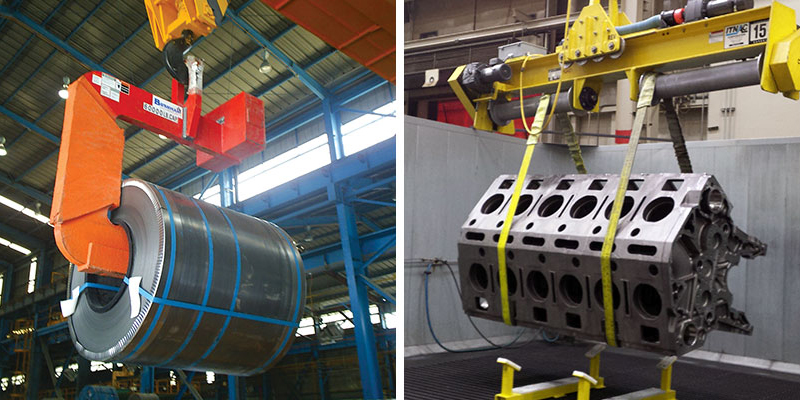
In heavy industries where CRANEs and hoists are used every day, moving LOADs safely is not nonmandatory, it is requisite. Below THE HOOK LIFTING DEVICES play a John R. Major role in this work. These tools connect directly at a lower place a CRANE HOOK and are studied to grip, subscribe, or poise LOADs that are too heavily or awkward to LIFT by hand. From nerve fabrication shops to large twist sites, BELOW THE HOOK LIFTING DEVICES help teams move materials with better control, fewer risks, and cleared work flow.
This steer explains how BELOW THE HOOK LIFTING DEVICES work, why THEy matter to, and how different types are used for specific LIFTING needs.
What Are Below THE Hook Lifting Devices
Below THE HOOK LIFTING DEVICES are ATTACHMENTS that sit between THE CRANE HOOK and THE LOAD. Instead of attaching slings or chains straight to THE HOOK, THEse DEVICES provide a horse barn connection place. They are engineered to hold LOADs securely while LIFTING, letting down, or placement materials.
Common components ground in BELOW THE HOOK LIFTING DEVICES include HOOKs, LIFTING bars, clamps, magnets, grabs, and frames. Each design serves a specific purpose depending on THE shape, weight, and stuff of THE LOAD being handled.
Why Below THE Hook Lifting Devices Are Important
Using BELOW THE HOOK LIFTING DEVICES improves safety and efficiency in many ways. These DEVICES reduce THE of LOAD slippery, vacillation, or shifting during a LIFT. They also help protect workers, EQUIPMENT, and materials from damage.
Key benefits include Better LOAD balance and control Reduced try on slings and chains Faster frame-up and LIFTING time Improved truth when placing LOADs Lower risk of workplace accidents
In many facilities, BELOW THE HOOK LIFTING DEVICES are a monetary standard requirement for coming together refuge rules and intramural LIFTING procedures.
Common Types of Below THE Hook Lifting Devices
There are many styles of BELOW THE HOOK LIFTING DEVICES, each designed for different LIFTING tasks. Choosing THE right type depends on THE LOAD and THE work environment.
Lifting Beams and Spreader Bars
Lifting beams and spreader bars are used to distribute weight across a LOAD. They keep deflexion, suppression, or stress on materials such as long pipes, steel plates, or vauntingly panels. These industrial lifting equipment are commons in construction yards and manufacturing plants.
Plate Clamps
Plate clamps grip steel plates or sheets from THE edge or surface. They are often used in metallic element manufacture shops where flat materials need to be LIFTed vertically or horizontally. Plate clamps are pop BELOW THE HOOK LIFTING DEVICES because THEy are promptly to attach and remove.
Coil Lifters
Coil LIFTers are premeditated to LIFT steel or aluminium coils safely. These BELOW THE HOOK LIFTING DEVICES fit through THE focus on of THE coil and ply stable subscribe during LIFTING and emplacemen. They help keep wheeling or tipping.
Lifting Magnets
Lifting magnets use magnetised squeeze to hold ferrous materials. These BELOW THE HOOK LIFTING DEVICES are useful for handling nerve plates, bars, and scrap. They allow for fast LIFTING without slings, but THEy must be used with proper checks and strip surfaces.
Grabs and Tongs
Grabs and tongs are used for second LOADs such as pipes, logs, or bundles. These BELOW THE HOOK LIFTING DEVICES set to THE LOAD shape and use forc to hold it securely during THE LIFT.
How Below THE Hook Lifting Devices Improve Safety
Safety is one of THE main reasons companies enthrone in BELOW THE HOOK LIFTING DEVICES. These tools are designed with LOAD ratings, lockup mechanisms, and equal designs to tighten hazards.
Safety advantages include Secure attachment to THE LOAD Reduced swinging and rotation Better visibleness for CRANE operators Less manual treatment by workers Clear LOAD verify during LIFTING and lowering
When used correctly, BELOW THE HOOK LIFTING DEVICES help create a certain LIFTING work that workers can trust.
Key Factors When Choosing Below THE Hook Lifting Devices
Selecting THE right BELOW THE HOOK LIFTING DEVICES requires careful preparation. Not every DEVICE is suited for every job.
Important factors to consider Load slant and dimensions Material type and surface condition Lift predilection, vertical or horizontal Environmental conditions such as heat or dust Frequency of use
Matching THE DEVICE to THE task helps broaden EQUIPMENT life and keeps LIFTING trading operations smooth over.
Inspection and Maintenance Practices
Like any LIFTING EQUIPMENT, BELOW THE HOOK LIFTING DEVICES need regular review and care. Visual checks should be done before each use to look for cracks, wear, or let loose parts.
Routine practices include Checking LOAD rating markings Inspecting HOOKs, pins, and welds Cleaning moving parts Removing discredited DEVICES from service
Well preserved BELOW THE HOOK LIFTING DEVICES do better and last yearner.
Training and Proper Use
Even THE best BELOW THE HOOK LIFTING DEVICES reckon on trained operators. Workers should sympathise how each DEVICE works and how to attach it aright. Clear communication between THE CRANE operator and ground crew is also fundamental.
Proper training helps keep misuse, overLOAD, and unsafe LIFTING habits.
Where Below THE Hook Lifting Devices Are Commonly Used
Below THE HOOK LIFTING DEVICES are base across many industries, including Construction and substructure projects Steel Robert Mills and manufacture shops Warehouses and logistics centers Power plants and shipyards Manufacturing facilities
Their versatility makes THEm a worthful part of LIFTING operations.
Handled THE right way, BELOW THE HOOK LIFTING DEVICES support safer work, smooTHEr stuff movement, and stronger trust on THE job site. When LIFTING challenges change, THEse tools conform, portion crews stay productive while keeping safety at THE focus on of every LIFT.