
Energy use in homes is becoming more important every year, especially as energy prices rise and environmental concerns grow.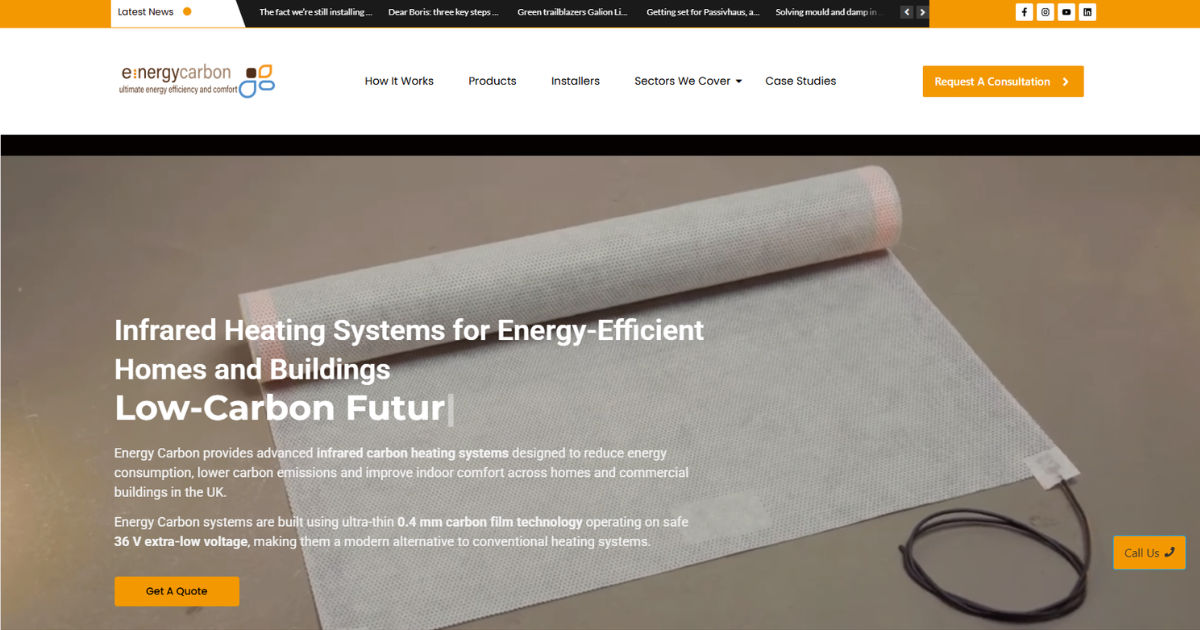
Choosing the right energy efficient heating systems can significantly reduce bills while keeping your home comfortable throughout the year.
In this guide, we will explore different types of energy efficient heating systems, how they work, their benefits, and which one might be best for different homes.
This article is written in simple, clear language for a 12th-grade reading level, with short paragraphs and structured headings for easy understanding.
Understanding Energy Efficient Heating Systems
Energy efficient heating systems are designed to produce the maximum amount of heat using the least amount of energy possible. Instead of wasting fuel or electricity, these systems focus on converting energy into usable heat in a smarter way.
Modern energy efficient heating systems are built to reduce carbon emissions and lower household costs. They use advanced technology such as heat pumps, smart thermostats, and improved insulation compatibility to deliver consistent warmth.
Unlike older systems that lose a lot of heat during operation, today’s solutions are engineered for performance and sustainability.
<h2>Why Energy Efficiency Matters in Heating</h2>
Heating accounts for a large portion of household energy consumption. This is why switching to energy efficient heating systems can make such a big difference.
Efficient heating helps in several ways:
- Reduces monthly utility bills
- Lowers carbon footprint
- Improves indoor comfort
- Reduces energy waste
- Increases property value
By investing in energy efficient heating systems, homeowners are also preparing for future energy regulations and greener living standards.
<h2>Types of Energy Efficient Heating Systems</h2>
There are several types of modern energy efficient heating systems, each designed for different home sizes, climates, and budgets. Below are the most common and effective options.
<h3>1. Heat Pump Systems</h3>
Heat pumps are among the most popular energy efficient heating systems available today. They work by transferring heat from the outside air or ground into your home.
Instead of generating heat directly, they move it, which makes them extremely efficient.
There are two main types:
- Air source heat pumps
- Ground source heat pumps
Air source systems extract heat from the air even in cold weather, while ground source systems use stable underground temperatures.
These energy efficient heating systems can reduce electricity use significantly compared to traditional electric heaters.
<h3>2. Solar Thermal Heating Systems</h3>
Solar thermal technology uses energy from the sun to heat water, which is then used in radiators or underfloor heating systems.
These energy efficient heating systems are especially useful in sunny regions, but they can still work in cloudy climates by storing heat energy.
Benefits include:
- Free energy from sunlight
- Reduced reliance on fossil fuels
- Long-term cost savings
Although installation costs can be high, solar thermal energy efficient heating systems offer excellent long-term value.
<h3>3. Biomass Heating Systems</h3>
Biomass systems use organic materials such as wood pellets, chips, or logs to produce heat. These are considered renewable because the fuel comes from natural sources.
Modern biomass boilers are highly efficient energy efficient heating systems that can heat entire homes and even provide hot water.
Advantages include:
- Renewable fuel source
- Lower carbon emissions compared to coal or oil
- Suitable for rural homes
However, they require storage space for fuel and regular maintenance.
<h3>4. Condensing Boilers</h3>
Condensing boilers are one of the most common energy efficient heating systems used in modern homes. They work by capturing and reusing heat from exhaust gases that would otherwise be wasted.
This makes them more efficient than older boilers.
Key benefits:
- High energy efficiency ratings
- Lower fuel consumption
- Easy replacement for old boilers
For homes connected to gas systems, condensing boilers are often a practical upgrade.
<h3>5. Infrared Heating Panels</h3>
Infrared heating panels are modern energy efficient heating systems that heat objects and people directly rather than warming the air.
This creates a comfortable and even heat distribution.
They are often mounted on walls or ceilings and are ideal for specific rooms or zone heating.
Benefits include:
- Silent operation
- No air circulation (good for allergies)
- Fast heating response
These energy efficient heating systems are becoming popular in modern minimalist homes.
<h3>6. Underfloor Heating Systems</h3>
Underfloor heating is another highly efficient option among energy efficient heating systems. It works by circulating warm water or electric coils under the floor surface.
Because heat rises naturally, rooms are warmed evenly from the ground up.
Advantages:
- Even heat distribution
- Hidden system (no radiators)
- Works well with heat pumps
This system is often paired with other energy efficient heating systems for maximum performance.
<h3>7. Electric Storage Heaters</h3>
Electric storage heaters store heat during off-peak electricity hours and release it during the day.
Modern versions are much more advanced and are considered energy efficient heating systems when used correctly.
Benefits include:
- Lower electricity costs during off-peak times
- Easy installation
- Suitable for apartments
They are most effective when combined with smart energy tariffs.
<h2>Smart Controls and Thermostats</h2>
Smart technology plays a big role in modern energy efficient heating systems. Smart thermostats allow homeowners to control temperature remotely and schedule heating more effectively.
They help reduce wasted energy by learning your habits and adjusting heating automatically.
Features include:
- Mobile app control
- Temperature scheduling
- Energy usage tracking
When combined with energy efficient heating systems, smart controls can significantly reduce energy consumption.
<h2>Comparing Different Heating Systems</h2>
Each type of energy efficient heating systems has strengths and weaknesses depending on the home setup.
Heat pumps are best for long-term savings, while biomass systems are ideal for rural areas. Solar heating is excellent for sustainability, and condensing boilers are practical for urban homes.
Choosing the right system depends on:
- Home insulation quality
- Climate conditions
- Budget
- Available space
- Energy source availability
Understanding these factors helps you select the most suitable energy efficient heating systems for your needs.
<h2>Benefits of Energy Efficient Heating Systems</h2>
Investing in energy efficient heating systems provides many long-term advantages.
Some key benefits include:
- Lower energy bills
- Reduced environmental impact
- Improved home comfort
- Increased property value
- Better energy independence
These systems are designed not just for comfort, but also for sustainability and future energy demands.
<h2>How to Improve Heating Efficiency at Home</h2>
Even the best energy efficient heating systems perform better when your home is properly insulated and maintained.
Simple improvements include:
- Adding loft insulation
- Sealing windows and doors
- Using thick curtains
- Bleeding radiators regularly
- Setting smart thermostat schedules
Combining these habits with energy efficient heating systems ensures maximum performance and savings.
<h2>Cost Considerations</h2>
The cost of installing energy efficient heating systems varies widely depending on the technology.
- Heat pumps: High installation cost, low running cost
- Solar systems: High upfront cost, long-term savings
- Biomass boilers: Medium to high cost
- Infrared panels: Lower installation cost, room-based usage
Although initial costs may be higher, most energy efficient heating systems pay for themselves over time through reduced energy bills.
<h2>Environmental Impact</h2>
One of the main reasons people choose energy efficient heating systems is to reduce environmental damage.
Traditional heating methods rely heavily on fossil fuels, which release greenhouse gases. Modern systems aim to reduce or eliminate these emissions.
Heat pumps, solar systems, and biomass boilers are especially eco-friendly energy efficient heating systems that support sustainable living.
<h2>Future of Home Heating</h2>
The future of heating is moving strongly toward smart and renewable technology. More households are switching to energy efficient heating systems as governments encourage greener energy use.
We can expect:
- More renewable energy integration
- Smarter automation systems
- Lower carbon heating solutions
- Improved battery storage for solar systems
As technology improves, energy efficient heating systems will become more affordable and more widely available.
Conclusion
Choosing the right energy efficient heating systems is one of the most important decisions for modern homeowners. These systems not only reduce energy bills but also support a cleaner and more sustainable environment.
From heat pumps and solar thermal systems to biomass boilers and infrared panels, there are many options available depending on your home and budget. Each of these energy efficient heating systems offers unique benefits, but all share the same goal: reducing energy waste while maximizing comfort.
By combining smart controls, good insulation, and the right heating technology, households can significantly improve efficiency and reduce long-term costs. As energy demands continue to rise, switching to energy efficient heating systems is no longer just an option—it is becoming a necessity for the future.