
Cannabis science has become one of the most discussed topics in the wellness and hemp industry. Many consumers are now curious about the way cannabinoids behave under different conditions, especially when heat is involved.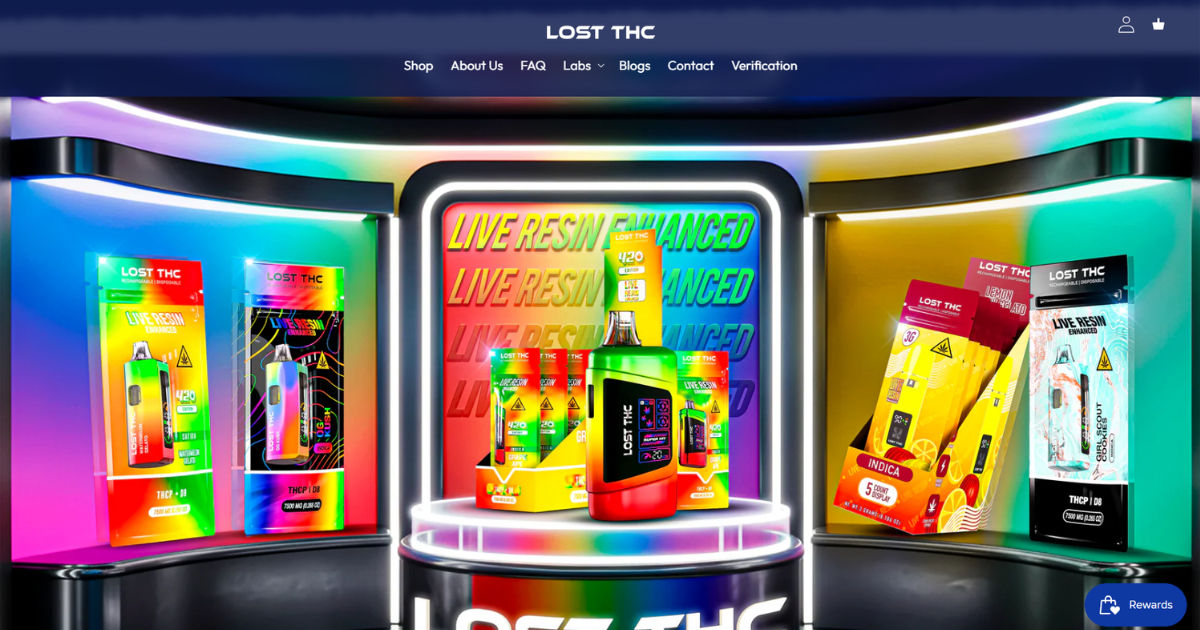
Products like the Lost THC V2 7.5 Gram CB9A Blend Disposable have also increased public interest in understanding how compounds inside cannabis change during vaping, smoking, and cooking.
One of the most important chemical changes in cannabis is the conversion of THCA into THC. This process explains why raw cannabis does not usually create intoxicating effects while heated cannabis does.
Whether someone is using flower, concentrates, edibles, or devices like the Lost THC V2 7.5 Gram CB9A Blend Disposable, the science behind heating cannabinoids plays a major role in the final experience.
Understanding this conversion is important for medical users, recreational consumers, researchers, and even beginners. In this guide, you will learn what THCA is, why heat changes it into THC, how the process works, what factors affect the conversion, and why this transformation matters for cannabis products.
What Is THCA?
THCA stands for tetrahydrocannabinolic acid. It is one of the naturally occurring cannabinoid acids found in raw cannabis plants. Before cannabis is heated, most of the THC actually exists as THCA.
Fresh cannabis flower contains high amounts of THCA rather than active THC. This is why eating raw cannabis generally does not produce the strong psychoactive effects that people associate with marijuana.
THCA has a different molecular structure than THC. The extra acid group attached to the molecule changes the way it interacts with the body. Because of this, THCA is considered non-intoxicating in its raw form.
Researchers continue to study THCA for potential wellness benefits. Some studies suggest it may have anti-inflammatory, neuroprotective, and anti-nausea properties. However, when heat is introduced, THCA changes chemically and becomes THC.
Devices such as the Lost THC V2 7.5 Gram CB9A Blend Disposable are designed to activate cannabinoids through heating, which is why understanding THCA conversion is so important.
What Is THC?
THC stands for tetrahydrocannabinol. It is the main psychoactive compound in cannabis. THC interacts with cannabinoid receptors in the brain and nervous system, producing effects such as:
- Euphoria
- Relaxation
- Altered perception
- Increased appetite
- Mood enhancement
- Pain relief
Unlike THCA, THC can easily bind with CB1 receptors in the brain. This interaction is what creates the well-known “high” associated with cannabis.
When someone smokes cannabis flower or uses a vape like the Lost THC V2 7.5 Gram CB9A Blend Disposable, heat transforms THCA into THC almost instantly.
The Science Behind THCA Conversion
The conversion of THCA into THC happens through a process called decarboxylation.
Decarboxylation is a chemical reaction where heat removes a carboxyl group from the THCA molecule. During this process, carbon dioxide is released, and the molecule changes into THC.
The reaction can be represented like this:
genui{"math_block_widget_always_prefetch_v2":{"content":"THCA xrightarrow{heat} THC + CO_2"}}
This process may sound complicated, but it is actually simple to understand.
THCA contains an extra molecular component called a carboxyl group. Heat breaks this group away from the molecule. Once that group is removed, the remaining structure becomes THC.
This transformation changes the cannabinoid’s effects dramatically.
Without decarboxylation, cannabis remains mostly non-intoxicating. With heat, cannabinoids become activated and ready to interact with the body differently.
Why Heat Causes the Conversion
Heat provides the energy needed to break chemical bonds within the THCA molecule.
When cannabis is exposed to high temperatures, the unstable acid group separates from the molecule. The released carbon dioxide escapes into the air, leaving behind active THC.
This is why methods involving heat are so effective at activating cannabis compounds.
Common heating methods include:
- Smoking
- Vaping
- Dabbing
- Baking
- Cooking
- Decarbing flower in an oven
Products like the Lost THC V2 7.5 Gram CB9A Blend Disposable rely on controlled heating systems to convert cannabinoids efficiently.
Without proper heat, THCA remains largely unchanged.
What Temperatures Activate THCA?
THCA begins converting into THC at relatively low temperatures, but full activation requires careful heating.
Many experts believe decarboxylation starts around 220°F to 240°F.
However, the ideal temperature depends on several factors, including:
- Moisture levels
- Heating duration
- Cannabis strain
- Product type
- Extraction method
When smoking cannabis, temperatures can exceed 900°F at the burning tip. This causes very rapid decarboxylation.
Vaping devices, including the Lost THC V2 7.5 Gram CB9A Blend Disposable, often use lower and more controlled temperatures. This allows cannabinoids to activate without excessive combustion.
Lower temperatures may preserve flavor compounds called terpenes while still converting THCA into THC.
The Role of Decarboxylation in Cannabis Products
Decarboxylation is essential for many cannabis products.
Without it, users would not experience the expected psychoactive effects.
Smoking
Smoking creates instant decarboxylation because the flame rapidly heats the cannabis flower.
As the user inhales, activated THC enters the lungs and bloodstream.
Vaping
Vaping uses heated coils or chambers instead of open flames.
This method heats cannabis extracts carefully, which may produce smoother vapor and preserve more terpenes.
The Lost THC V2 7.5 Gram CB9A Blend Disposable is an example of a device designed to deliver activated cannabinoids through vaporization.
Edibles
Edibles require decarboxylation before infusion into oils or butter.
If cannabis is not heated before making edibles, the THCA may remain inactive.
This is why recipes usually include a baking or heating step.
Concentrates
Concentrates such as wax, shatter, and distillate often undergo decarboxylation during production.
Heating activates cannabinoids and changes the consistency of the extract.
Why Raw Cannabis Does Not Produce a Strong High
Many people assume raw cannabis naturally contains high amounts of THC.
In reality, freshly harvested cannabis primarily contains THCA.
Because THCA does not strongly bind with CB1 receptors, raw cannabis usually does not produce strong psychoactive effects.
Some people consume raw cannabis in smoothies or juices for possible wellness benefits without intoxication.
However, once heat is introduced through smoking, vaping, or cooking, the THCA converts into THC.
That is why products like the Lost THC V2 7.5 Gram CB9A Blend Disposable are designed specifically around heating cannabinoids effectively.
The Chemical Difference Between THCA and THC
The difference between THCA and THC may appear small, but it greatly affects how the compounds behave.
THCA contains a carboxylic acid group attached to the molecule.
THC does not.
This small structural change alters:
- Molecular weight
- Stability
- Receptor interaction
- Psychoactive potential
- Bioavailability
The conversion process removes the acid group, simplifying the structure and allowing the molecule to interact more effectively with cannabinoid receptors.
This explains why heating changes the user experience so dramatically.
Factors That Affect THCA Conversion
Not all decarboxylation processes are identical.
Several factors influence how efficiently THCA converts into THC.
Temperature
Higher temperatures accelerate decarboxylation.
However, excessive heat can destroy cannabinoids and terpenes.
Finding the right balance is important.
Time
Longer heating times can improve conversion rates.
But prolonged exposure may also degrade THC into other compounds.
Moisture Content
Cannabis with high moisture levels may decarb differently than dry flower.
Proper curing helps improve consistency.
Air Exposure
Oxygen exposure can contribute to cannabinoid degradation over time.
Light Exposure
UV light can slowly break down cannabinoids.
Proper storage helps preserve potency.
Product Design
Devices such as the Lost THC V2 7.5 Gram CB9A Blend Disposable are engineered to regulate heating temperatures for better consistency.
What Happens If THCA Gets Too Hot?
Excessive heat can damage cannabinoids.
When THC is exposed to very high temperatures for extended periods, it may degrade into CBN, also known as cannabinol.
CBN is often associated with sedating effects.
Overheating cannabis may also:
- Destroy terpenes
- Reduce flavor quality
- Create harsh smoke
- Lower cannabinoid potency
This is why controlled heating systems are important in modern cannabis products.
The Lost THC V2 7.5 Gram CB9A Blend Disposable uses vaporization technology to activate cannabinoids while aiming to preserve flavor and consistency.
How Vaping Differs From Smoking
Both vaping and smoking convert THCA into THC, but they do so differently.
Smoking
Smoking relies on combustion.
The direct flame creates extremely high temperatures quickly.
While effective, combustion may also destroy sensitive compounds.
Vaping
Vaping heats cannabis below combustion temperatures.
This allows cannabinoids to vaporize without burning plant material.
Many consumers prefer vaping because it may:
- Produce smoother inhalation
- Preserve terpenes
- Reduce smoke odor
- Improve flavor clarity
The Lost THC V2 7.5 Gram CB9A Blend Disposable is part of a growing market focused on controlled cannabinoid activation through vaporization.
Why Decarboxylation Matters for Edibles
Edibles rely heavily on proper decarboxylation.
If cannabis flower is simply mixed into food without heating, most THCA will remain inactive.
That means the edible may produce weaker psychoactive effects.
Most edible recipes include:
- Heating cannabis flower
- Infusing activated cannabinoids into fat
- Mixing the infused ingredient into recipes
Butter and oils are commonly used because cannabinoids bind well with fats.
Proper decarboxylation ensures THC becomes available for digestion and absorption.
Can THCA Convert Naturally Over Time?
Yes, THCA can slowly convert into THC naturally.
Heat is the fastest method, but environmental conditions can also contribute.
Over time, exposure to:
- Light
- Oxygen
- Mild heat
- Aging
may gradually decarboxylate cannabis.
However, natural conversion happens much more slowly than deliberate heating.
Improper storage can also reduce overall cannabinoid quality.
The Importance of Terpenes During Heating
Terpenes are aromatic compounds responsible for cannabis flavors and scents.
Examples include:
- Citrus notes
- Pine aromas
- Earthy flavors
- Fruity profiles
Terpenes are sensitive to heat.
When cannabis is overheated, these compounds may evaporate or degrade.
Modern vape products like the Lost THC V2 7.5 Gram CB9A Blend Disposable often aim to balance cannabinoid activation with terpene preservation.
This balance helps create a more flavorful experience.
THCA in Hemp Products
THCA has become increasingly popular in hemp-derived products.
Some hemp flowers contain high THCA percentages while remaining compliant under certain regulations before heating.
Once heated, however, THCA converts into psychoactive THC.
This legal complexity has created significant debate within the hemp industry.
Consumers should always understand local laws before purchasing or using cannabinoid products.
Is THCA Stronger Than THC?
THCA itself is not considered stronger in psychoactive terms because it does not produce the same intoxicating effects.
However, high-THCA cannabis may eventually create strong effects after heating because it converts into THC.
The total potency depends on:
- THCA percentage
- Conversion efficiency
- Consumption method
- Individual tolerance
This is why products such as the Lost THC V2 7.5 Gram CB9A Blend Disposable emphasize activated cannabinoid delivery.
Why Cannabinoid Activation Matters
Cannabinoid activation changes how compounds interact with the body.
Inactive cannabinoids often behave differently than activated ones.
For example:
- THCA is generally non-intoxicating
- THC is psychoactive
- CBDA converts into CBD
Heating transforms the chemical structure and biological activity of these compounds.
This process is central to cannabis science.
Common Misunderstandings About THCA
There are many myths surrounding THCA.
Myth 1: Raw Cannabis Always Gets You High
Fresh cannabis mainly contains THCA, not THC.
Without heating, psychoactive effects are usually limited.
Myth 2: More Heat Always Means Better Results
Too much heat may destroy cannabinoids and terpenes.
Controlled temperatures are usually more effective.
Myth 3: THCA and THC Are Identical
Although closely related, they interact with the body differently.
Myth 4: Decarboxylation Only Happens During Smoking
The process can occur during vaping, baking, dabbing, or any heating method.
The Future of THCA Research
Scientists continue studying THCA and other cannabinoids.
Research areas include:
- Neuroprotection
- Inflammation support
- Appetite regulation
- Nausea reduction
- Pain management
As cannabis laws evolve, more studies may reveal additional uses for cannabinoid acids.
At the same time, products like the Lost THC V2 7.5 Gram CB9A Blend Disposable continue shaping consumer understanding of cannabinoid activation and vaporization technology.
How Manufacturers Control Cannabinoid Activation
Modern cannabis manufacturers use advanced equipment to control heating precisely.
This helps improve:
- Potency consistency
- Flavor quality
- Safety
- User experience
Controlled decarboxylation is especially important for:
- Vape cartridges
- Disposable vapes
- Distillates
- Gummies
- Tinctures
The Lost THC V2 7.5 Gram CB9A Blend Disposable reflects how modern devices are designed to provide consistent cannabinoid activation.
THCA and the Endocannabinoid System
The endocannabinoid system helps regulate many functions in the body.
These include:
- Mood
- Appetite
- Sleep
- Memory
- Pain perception
THC interacts strongly with CB1 receptors in the brain.
THCA interacts differently and may influence the body through separate pathways.
This difference explains why decarboxylation changes the user experience so significantly.
Safety Considerations When Heating Cannabis
Proper heating methods matter.
Excessive temperatures may create harsh compounds and unpleasant flavors.
Consumers should choose reliable products and devices.
When using devices like the Lost THC V2 7.5 Gram CB9A Blend Disposable, following manufacturer instructions can help maintain performance and consistency.
Safe storage is also important.
Cannabis products should be kept away from:
- Extreme heat
- Moisture
- Direct sunlight
- Children and pets
The Connection Between THCA, THC, and Consumer Experience
The overall cannabis experience depends heavily on cannabinoid chemistry.
THCA represents the raw, inactive form.
THC represents the activated, psychoactive form.
The transition between the two determines:
- Potency
- Flavor
- Aroma
- Effects
- Duration
Heating is the bridge that transforms one compound into another.
Whether through smoking flower, baking edibles, or using the Lost THC V2 7.5 Gram CB9A Blend Disposable, the science remains the same.
Conclusion
The conversion of THCA into THC is one of the most important chemical reactions in cannabis science. Raw cannabis naturally contains high levels of THCA, which remains mostly non-intoxicating until heat is applied. Through a process called decarboxylation, heat removes the carboxyl group from THCA and transforms it into psychoactive THC.
This process explains why smoking, vaping, dabbing, and cooking cannabis create effects that raw cannabis usually does not. Temperature, timing, airflow, and product design all influence how effectively THCA converts into THC.
Modern cannabis technology has made cannabinoid activation more controlled and efficient than ever before. Products like the Lost THC V2 7.5 Gram CB9A Blend Disposable demonstrate how vaporization systems are designed to activate cannabinoids while preserving flavor and consistency.
As cannabis research continues expanding, understanding THCA and THC will remain essential for both consumers and industry professionals. Knowing how cannabinoids respond to heat helps users make informed decisions about consumption methods, potency, flavor, and overall experience.
In the end, the transformation of THCA into THC is not just a chemical reaction. It is the foundation of how cannabis becomes active, effective, and recognizable to millions of consumers around the world.