
In modern digital workflows, a pdf to image converter has become an essential tool for students, professionals, and businesses.
A pdf to image converter helps transform static PDF documents into flexible image formats that are easier to preview, edit, and print.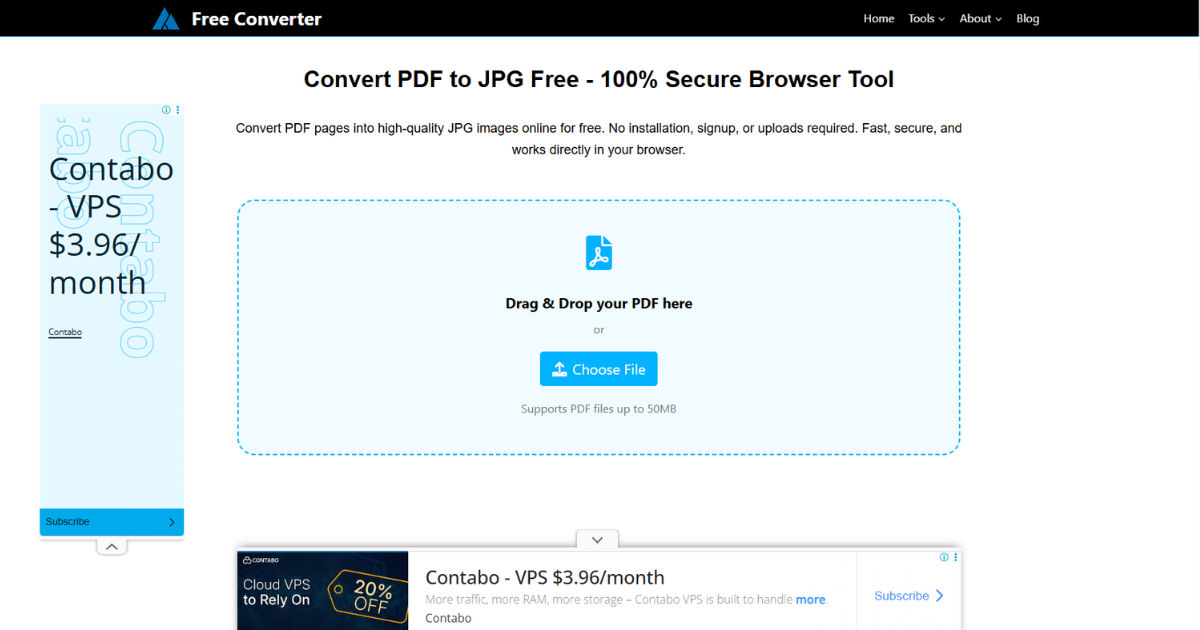
When printing important documents such as assignments, certificates, business reports, or design layouts, a pdf to image converter can prevent formatting issues and improve overall print quality.
Many people directly print PDFs without realizing that layout shifts, font errors, or compatibility problems may occur depending on the printer or software.
This is where a pdf to image converter becomes highly useful. It ensures that what you see on screen is exactly what gets printed on paper. In this guide, we will explore why a pdf to image converter is important before printing, how it works, its advantages, and the best practices for using it effectively.
What a PDF to Image Converter Does
A pdf to image converter is a tool that changes each page of a PDF file into an image format such as JPG, PNG, or TIFF. Instead of dealing with editable text and vector elements, the document becomes a fixed visual representation.
A pdf to image converter locks the layout so that nothing shifts during printing. This is especially useful when the document contains complex formatting like charts, tables, graphics, or mixed fonts.
Unlike standard PDF viewers, a pdf to image converter eliminates dependency on PDF software rendering engines. This means the final output remains consistent across all devices and printers.
A pdf to image converter is commonly used in education, office documentation, and design printing where accuracy matters more than editability.
Why Printing Issues Happen with PDFs
Before understanding the importance of a pdf to image converter, it is important to know why printing issues happen in the first place.
PDF files are designed to be universal, but they still rely on rendering engines. Different devices may interpret the same PDF differently. This can lead to:
- Misaligned text
- Missing fonts
- Broken layouts
- Shifted images
- Scaling issues
A pdf to image converter eliminates these problems by flattening everything into a single image layer.
Another reason printing issues occur is software incompatibility. Not all printers or drivers correctly interpret advanced PDF elements. A pdf to image converter ensures compatibility by simplifying the file structure.
In many cases, high-resolution graphics inside PDFs may also fail to print properly. A pdf to image converter preserves these visuals in a stable format.
Why Use a PDF to Image Converter Before Printing
The main reason to use a pdf to image converter before printing is consistency. When a PDF is converted into an image, it becomes a fixed snapshot of the document.
A pdf to image converter ensures that:
- The layout remains unchanged
- Fonts appear exactly as designed
- Images stay in proper alignment
- No elements shift during printing
This is especially important for official documents, where accuracy is critical.
A pdf to image converter also helps when printing from mobile devices. Mobile PDF viewers sometimes compress or adjust content, but a pdf to image converter removes that risk.
Another advantage is faster processing. Some printers struggle with heavy PDFs, but a pdf to image converter reduces processing load by simplifying the file.
Key Benefits of Using a PDF to Image Converter
1. Perfect Print Accuracy
A major benefit of a pdf to image converter is that it ensures print accuracy. What you see is exactly what you print. There are no surprises like shifted text or cut-off margins.
2. Universal Compatibility
A pdf to image converter makes files compatible with almost any device or printer. Even older printers that struggle with PDFs can handle image files easily.
3. Improved Visual Stability
A pdf to image converter locks all elements into place. This means charts, diagrams, and graphics remain stable without distortion.
4. Easier Sharing and Previewing
Images created through a pdf to image converter are easier to share on messaging apps and email platforms. They can also be previewed quickly without special software.
5. Reduced Printing Errors
A pdf to image converter reduces errors caused by font mismatches or missing resources. This is particularly useful for professional documentation.
6. Better Control Over Output Quality
A pdf to image converter allows users to choose resolution levels. Higher DPI settings result in sharper prints.
Common Scenarios Where PDF to Image Conversion Helps
A pdf to image converter is widely used in several real-world situations.
Academic Use
Students often use a pdf to image converter to print assignments, notes, and project reports without formatting errors.
Business Documents
Companies rely on a pdf to image converter for printing invoices, presentations, and contracts where accuracy is essential.
Graphic Design
Designers use a pdf to image converter to ensure color accuracy and layout stability when printing posters or brochures.
Government and Legal Work
Official documents often require exact replicas, making a pdf to image converter highly valuable.
Online Forms and Certificates
Digital certificates and forms printed through a pdf to image converter maintain their original structure and authenticity.
How a PDF to Image Converter Works
A pdf to image converter works by rendering each page of a PDF as a visual layer. It then exports that layer into an image format.
The process generally involves:
- Reading PDF structure
- Rendering text and graphics
- Flattening layers
- Exporting as image file
A pdf to image converter uses rendering engines similar to browsers or PDF readers, but instead of displaying content, it saves it as an image.
This process ensures that every element is permanently fixed.
Step-by-Step Guide to Using a PDF to Image Converter
Using a pdf to image converter is simple and does not require technical skills.
Step 1: Upload Your PDF
Select the file you want to convert. A pdf to image converter usually supports drag-and-drop functionality.
Step 2: Choose Image Format
Pick JPG, PNG, or TIFF depending on your printing needs.
Step 3: Adjust Quality Settings
A pdf to image converter often allows resolution adjustments. Higher resolution is better for printing.
Step 4: Convert File
Start the conversion process. A pdf to image converter will process each page individually.
Step 5: Download Images
Once complete, download the output files.
Step 6: Print Images
Now print the images directly without worrying about formatting issues.
Best Practices for Using a PDF to Image Converter
To get the best results from a pdf to image converter, follow these practices:
Use High Resolution
Always select high DPI settings in a pdf to image converter for clear prints.
Check File Size
High-quality outputs from a pdf to image converter may be large, so ensure enough storage space.
Use PNG for Text Documents
A pdf to image converter produces sharper text in PNG format.
Use JPG for Photos
For image-heavy documents, a pdf to image converter with JPG output is more efficient.
Preview Before Printing
Always preview output from a pdf to image converter before sending it to print.
Mistakes to Avoid
Even though a pdf to image converter is simple, users sometimes make mistakes.
Low Resolution Selection
Using low resolution in a pdf to image converter can lead to blurry prints.
Wrong Format Choice
Choosing incorrect formats can reduce quality after conversion.
Ignoring Page Size
A pdf to image converter may change scaling if not configured properly.
Overlooking File Compression
Some converters compress files too much, affecting print quality.
Why Students and Professionals Prefer This Method
A pdf to image converter is preferred because it removes uncertainty. Students can submit clean printed assignments, while professionals can ensure business documents look perfect.
In environments where presentation matters, a pdf to image converter acts as a safeguard against formatting issues.
It also saves time because users do not need to troubleshoot printing errors repeatedly.
Future of PDF to Image Conversion in Printing
With increasing digitalization, a pdf to image converter will continue to play an important role. Advanced tools now include AI-based enhancements, better compression, and cloud integration.
Future versions of a pdf to image converter may also offer automatic print optimization, ensuring even better quality output.
Conclusion
A pdf to image converter is a powerful tool that ensures printing accuracy, compatibility, and consistency across all devices. Whether you are a student printing assignments or a professional handling official documents, using a pdf to image converter before printing eliminates common formatting problems and guarantees reliable results.
By converting PDFs into images, users gain better control over layout stability and print quality. A pdf to image converter simplifies the printing process, reduces errors, and improves efficiency in both personal and professional tasks.
In today’s fast-paced digital environment, adopting a pdf to image converter is not just a convenience—it is a smart workflow decision that ensures every printed page matches your expectations perfectly.