
A Packing Machine is one of the most important inventions in modern manufacturing and food industries. In this guide, we will clearly explain how a Packing Machine works step by step in a simple and easy-to-understand way for 12th-grade students and beginners.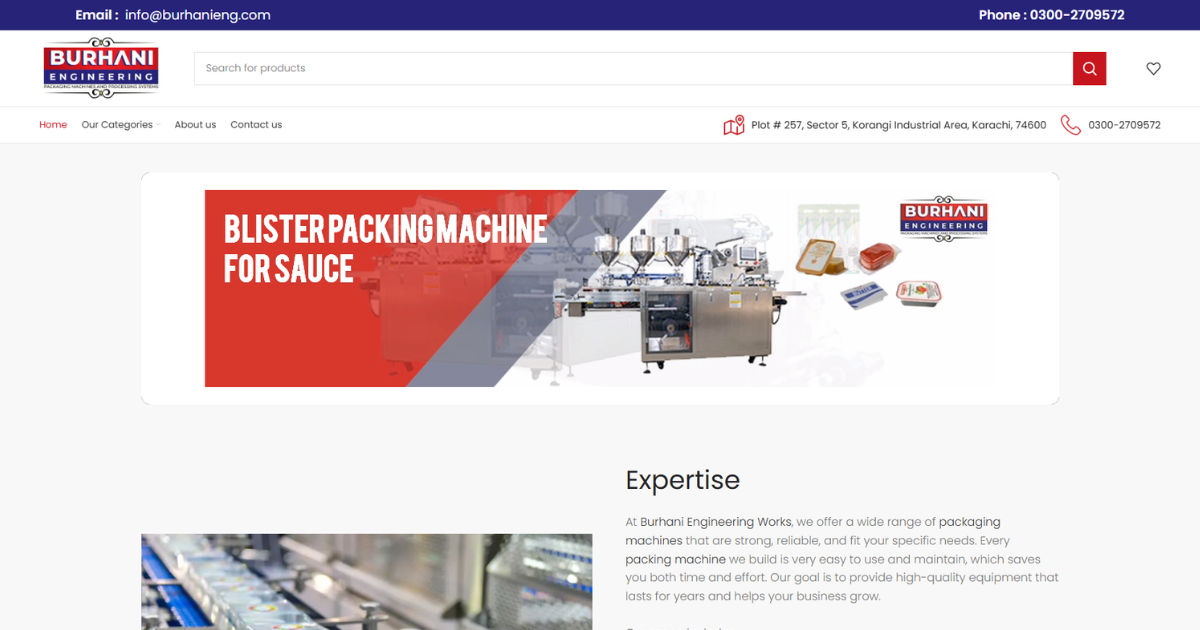
A Packing Machine helps industries pack products quickly, safely, and in a consistent way. From food items to medicines and industrial goods, a Packing Machine plays a key role in saving time and improving product quality.
In this article, you will learn the full working process of a Packing Machine, including its parts, working stages, types, and real-world applications. We will break everything into simple steps so that even a beginner can understand how a Packing Machine operates in real life.
What is a Packing Machine?
A Packing Machine is a mechanical or automated system used to pack products into bags, bottles, boxes, or containers. The main purpose of a Packing Machine is to protect products from damage, contamination, and moisture while making storage and transportation easier.
A modern Packing Machine can handle everything from measuring the product to sealing the final package. This makes production faster and more efficient compared to manual packing.
Importance of a Packing Machine
A Packing Machine is widely used in industries because it improves speed and accuracy. Without a Packing Machine, companies would need many workers to pack items manually, which is slow and less accurate.
Some key benefits include:
- Faster production
- Better hygiene
- Reduced labor cost
- Accurate filling and weighing
- Strong and secure packaging
A Packing Machine ensures that every product looks uniform and professional.
Main Parts of a Packing Machine
Before understanding the working steps, it is important to know the basic parts of a Packing Machine:
Feeding System
This part supplies raw material or products into the Packing Machine.
Weighing or Dosing Unit
It measures the correct amount of product before packing.
Filling System
This part transfers the product into bags, bottles, or containers.
Sealing Unit
It seals the package to make it airtight and secure.
Control Panel
The operator uses this to control the Packing Machine settings.
Conveyor System
It moves products from one stage to another inside the Packing Machine.
Each part of a Packing Machine plays an important role in the overall process.
Types of Packing Machines
Different industries use different types of Packing Machine systems depending on their needs:
Automatic Packing Machine
An automatic Packing Machine performs all tasks without much human help.
Semi-Automatic Packing Machine
This type of Packing Machine needs some manual input but still performs most functions automatically.
Vacuum Packing Machine
A vacuum Packing Machine removes air before sealing to preserve freshness.
Liquid Packing Machine
This Packing Machine is used for liquids like milk, juice, and oil.
Powder Packing Machine
A powder Packing Machine is designed for flour, spices, and chemicals.
Each Packing Machine type is designed for specific product categories.
Step-by-Step Working of a Packing Machine
Now let’s understand the most important part: how a Packing Machine works step by step.
Step 1: Product Feeding
The first step in a Packing Machine process is feeding the product into the system. Raw materials such as grains, powder, liquids, or solid items are loaded into a hopper.
The Packing Machine ensures continuous supply so that production does not stop. This step is essential because the efficiency of the Packing Machine depends on smooth feeding.
Step 2: Measurement and Weighing
After feeding, the Packing Machine measures the exact quantity of the product. This is done using sensors or weighing systems.
A Packing Machine must ensure accuracy because even a small mistake can affect product quality. For example, a food Packing Machine must pack the exact weight written on the label.
Step 3: Product Transfer
Once measured, the product is transferred to the packaging area. The Packing Machine uses conveyor belts or pipes to move materials.
This step in a Packing Machine ensures that products are placed correctly into containers or bags without spilling or waste.
Step 4: Filling Process
The filling stage is one of the most important parts of a Packing Machine. Here, the measured product is filled into packaging materials such as pouches, bottles, or boxes.
A modern Packing Machine can fill multiple packages at the same time, increasing production speed.
Step 5: Sealing the Package
After filling, the Packing Machine seals the package tightly. This step is very important to protect the product from air, dust, and moisture.
A Packing Machine may use heat sealing, pressure sealing, or vacuum sealing depending on the product type.
Without proper sealing, the Packing Machine process is incomplete.
Step 6: Labeling and Coding
Many advanced Packing Machine systems also include labeling. This step adds product information like:
- Brand name
- Expiry date
- Manufacturing date
- Barcode
A Packing Machine ensures that each package is properly labeled for identification and tracking.
Step 7: Quality Checking
Before final storage, a Packing Machine may include a quality check system. Sensors inspect weight, sealing strength, and packaging accuracy.
If any error is found, the Packing Machine rejects the faulty product automatically.
Step 8: Final Output and Storage
In the final step, the Packing Machine sends the finished packages to the output conveyor. These are then collected and stored for transportation.
A Packing Machine ensures that products are ready for market delivery in perfect condition.
Automation in Packing Machines
Modern Packing Machine systems are highly automated. Automation reduces human effort and increases speed and accuracy.
A fully automated Packing Machine can:
- Detect errors automatically
- Adjust filling levels
- Control temperature for sealing
- Operate continuously for long hours
Automation makes a Packing Machine more efficient and reliable.
Safety Features in a Packing Machine
A Packing Machine includes several safety features to protect workers and equipment:
- Emergency stop buttons
- Sensor-based shutdown systems
- Overload protection
- Temperature control systems
These features ensure that a Packing Machine operates safely in industrial environments.
Applications of Packing Machines
A Packing Machine is used in many industries, such as:
- Food industry (snacks, rice, flour)
- Beverage industry (juice, milk)
- Pharmaceutical industry (tablets, syrups)
- Chemical industry (powders, liquids)
- Agriculture (seeds, fertilizers)
In every industry, a Packing Machine improves efficiency and product quality.
Advantages of a Packing Machine
Using a Packing Machine provides many benefits:
1. High Speed
A Packing Machine works much faster than manual labor.
2. Accuracy
A Packing Machine ensures correct measurement every time.
3. Cost Saving
It reduces the need for many workers.
4. Hygiene
A Packing Machine maintains clean and safe packaging.
5. Uniform Packaging
Every package looks identical and professional.
Challenges of Packing Machines
Even though a Packing Machine is very useful, it has some challenges:
- High initial cost
- Requires maintenance
- Needs trained operators
- Can break down if not used properly
However, a Packing Machine still provides long-term benefits that outweigh these challenges.
Maintenance of a Packing Machine
Proper care is important for a Packing Machine to work efficiently:
- Regular cleaning
- Lubrication of moving parts
- Software updates (for automated systems)
- Checking sensors and seals
A well-maintained Packing Machine lasts longer and performs better.
Future of Packing Machines
The future of the Packing Machine industry is very advanced. New technologies like AI and robotics are improving how a Packing Machine works.
Future Packing Machine systems will be:
- Smarter
- Faster
- More energy efficient
- Fully automated with minimal human input
This shows that the Packing Machine will continue to play a major role in industries worldwide.
Conclusion
A Packing Machine is a powerful industrial system that has transformed how products are packed and delivered. From feeding and measuring to sealing and labeling, every step in a Packing Machine is designed to improve speed, accuracy, and safety.
Understanding how a Packing Machine works step by step helps us appreciate modern manufacturing systems. A Packing Machine not only saves time and cost but also ensures high-quality packaging for a wide range of products.
In today’s fast-growing industries, a Packing Machine is essential for efficiency and success. Whether in food, pharmaceuticals, or chemicals, the role of a Packing Machine cannot be ignored.
As technology continues to improve, the Packing Machine will become even more advanced, making production faster and smarter than ever before.