
Contemporary vertical art has become one of the most recognizable trends in modern interior design and creative expression. From luxury homes and apartments to offices, hotels, galleries, and public spaces, vertical art is changing the way people decorate walls and communicate visual stories.
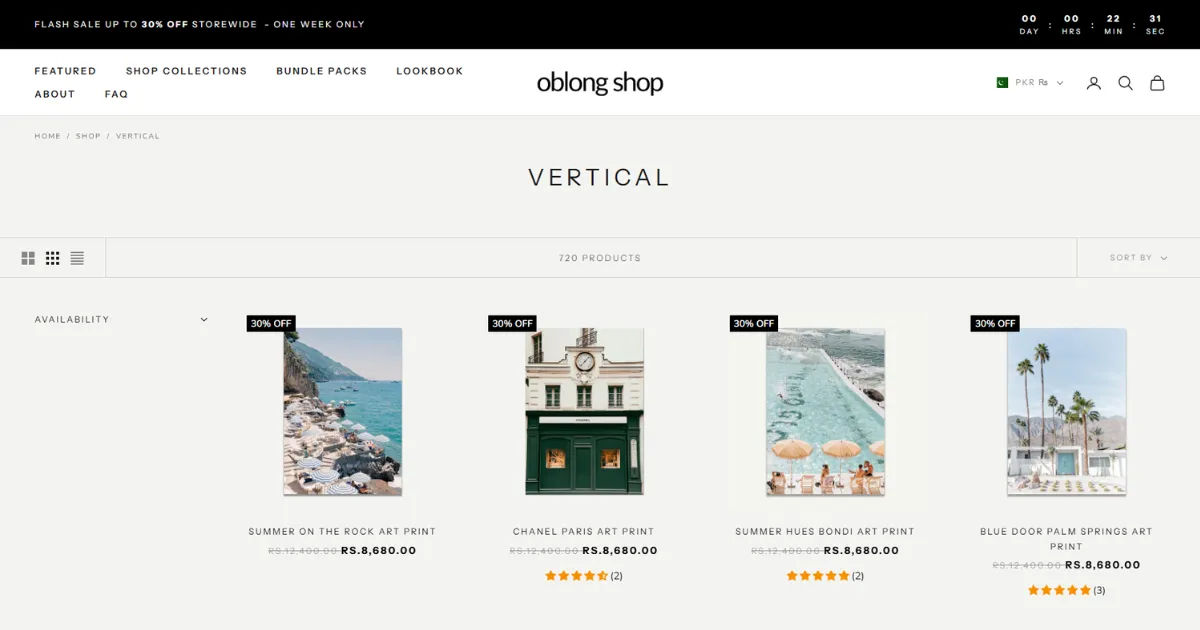
Unlike traditional horizontal compositions, this style emphasizes height, elegance, and movement while making spaces appear larger and more sophisticated.As architecture continues to embrace taller walls, open floor plans, and minimalist interiors, vertical art has gained popularity because it complements these modern environments perfectly.
Artists use elongated compositions, bold color palettes, abstract shapes, realistic imagery, and mixed media techniques to create pieces that naturally draw the eye upward. Whether displayed as a single oversized canvas or a carefully curated gallery arrangement, this artistic style offers both aesthetic beauty and practical design benefits.
This comprehensive guide explains what contemporary vertical art style is, where it originated, its defining characteristics, why it has become so popular, and how homeowners, designers, and collectors can incorporate it into different spaces.
Contemporary Vertical Art Style
Contemporary vertical art style refers to artwork that is designed primarily with a portrait orientation rather than a landscape layout. While the vertical format has existed throughout art history, contemporary artists reinterpret it using modern techniques, innovative materials, and fresh visual concepts.
The focus is not only on the canvas orientation but also on how the artwork interacts with architectural spaces. Contemporary artists often use elongated forms, flowing lines, geometric structures, natural textures, or expressive brushstrokes to create movement from bottom to top.
This style can be found across many artistic genres, including:
-
Abstract painting
-
Modern landscapes
-
Botanical artwork
-
Minimalist designs
-
Figurative paintings
-
Photography
-
Mixed media creations
-
Digital art
-
Textured canvas pieces
Rather than following strict artistic rules, contemporary vertical art encourages creativity while maintaining balance, proportion, and visual harmony.
The Evolution of Vertical Art
The idea of creating artwork in a vertical orientation is not new. Ancient civilizations painted religious figures, kings, and monuments on tall surfaces to symbolize power and importance.
During the Renaissance, many portraits were created vertically because they suited the human figure naturally. Religious altarpieces also adopted tall compositions to inspire viewers to look upward.
Modern artists expanded these ideas by experimenting with abstraction, unusual perspectives, and simplified compositions.
Today's contemporary vertical art reflects modern lifestyles. It often combines artistic freedom with interior design trends, making it equally valuable as both decoration and creative expression.
Why Contemporary Vertical Art Has Become Popular
Several design trends have contributed to the growing popularity of contemporary vertical art.
It Fits Modern Architecture
Many homes now feature:
-
High ceilings
-
Narrow wall spaces
-
Open layouts
-
Large entryways
-
Floor-to-ceiling windows
Tall artwork naturally complements these architectural features.
It Creates Visual Height
One of the greatest strengths of vertical art is its ability to make rooms appear taller than they actually are.
By encouraging the eye to travel upward, the artwork creates an illusion of additional ceiling height.
It Works in Small Spaces
Hallways, staircases, apartment entrances, and narrow walls often cannot accommodate wide artwork.
A vertically oriented canvas fills these areas without overwhelming them.
It Supports Minimalist Design
Minimalist interiors often feature fewer decorative objects.
One large piece of vertical art can become the focal point without creating visual clutter.
Characteristics of Contemporary Vertical Art
Although artists work in many different styles, several features commonly appear.
Tall Composition
The canvas is noticeably taller than it is wide.
This elongated format immediately distinguishes the artwork from traditional horizontal pieces.
Strong Vertical Movement
Artists guide the viewer's eyes upward using:
-
Flowing brushstrokes
-
Layered textures
-
Rising geometric patterns
-
Vertical color gradients
-
Repeating forms
This movement creates energy and elegance.
Clean Design
Many contemporary pieces avoid unnecessary detail.
Instead, they focus on:
-
Simplicity
-
Balance
-
Color relationships
-
Shape
-
Texture
Mixed Materials
Modern artists frequently combine materials such as:
-
Acrylic paint
-
Oil paint
-
Gold leaf
-
Fabric
-
Resin
-
Sand
-
Wood
-
Metallic pigments
These additions increase depth and uniqueness.
Bold Color Choices
Some artists prefer neutral palettes.
Others embrace vibrant combinations including:
-
Deep blue
-
Emerald green
-
Black
-
White
-
Gold
-
Burnt orange
-
Crimson
-
Charcoal
The color selection depends on the intended mood.
Popular Types of Contemporary Vertical Art
Abstract Vertical Art
Abstract pieces focus on emotion rather than realistic representation.
They often feature expressive brushwork, layered colors, and textured surfaces.
These works fit modern interiors exceptionally well.
Botanical Artwork
Plants naturally grow upward, making botanical subjects ideal for vertical art.
Popular examples include:
-
Palm leaves
-
Bamboo
-
Wildflowers
-
Tree branches
-
Tropical plants
Figure Paintings
Human figures naturally suit portrait-oriented compositions.
Artists may emphasize movement, elegance, or emotion through elongated forms.
Landscape Adaptations
Instead of wide panoramic scenes, artists create tall landscapes featuring:
-
Waterfalls
-
Mountains
-
Forest paths
-
Trees
-
Cliffs
The viewer experiences height rather than width.
Minimalist Art
Minimalist vertical art often uses only a few colors and simple shapes.
Despite its simplicity, it creates a strong visual impact.
How Contemporary Vertical Art Enhances Interior Design
Interior designers frequently recommend vertical art because of its versatility.
Living Rooms
A tall canvas behind a sofa immediately establishes a focal point.
It balances furniture while adding personality.
Dining Rooms
Elegant artwork introduces sophistication without overwhelming the room.
Bedrooms
Soft colors and calming compositions help create a peaceful atmosphere.
Entryways
The first impression matters.
A striking vertical painting welcomes visitors while making the entrance appear more spacious.
Hallways
Long, narrow hallways benefit significantly from portrait-oriented artwork.
The design keeps the walls visually interesting.
Staircases
Multiple pieces arranged vertically create movement that follows the stairs naturally.
Offices
Professional spaces often use modern vertical art to create an inspiring yet polished environment.
Common Themes Found in Contemporary Vertical Art
Artists explore many subjects.
Popular themes include:
Nature
Trees, rivers, mountains, leaves, flowers, and skies remain timeless subjects.
Urban Life
Modern skylines and architectural forms often emphasize vertical lines.
Human Emotion
Artists use color, shape, and texture to communicate feelings.
Spiritual Inspiration
Some works symbolize growth, hope, transformation, and inner peace.
Geometry
Simple geometric arrangements create order and rhythm.
Materials Used in Contemporary Vertical Art
Artists experiment with many surfaces.
Common options include:
-
Canvas
-
Wood panels
-
Linen
-
Metal
-
Glass
-
Fabric
-
Paper
Painting mediums include:
-
Acrylic
-
Oil
-
Watercolor
-
Ink
-
Mixed media
Texture is often added using modeling paste, sand, or layered paint.
Choosing the Right Vertical Art for Your Home
Selecting artwork involves more than choosing colors.
Consider these factors.
Wall Size
Measure the available wall carefully.
Artwork should feel proportional rather than crowded.
Ceiling Height
Rooms with tall ceilings can accommodate oversized canvases.
Lower ceilings usually benefit from moderately sized artwork.
Existing Color Palette
Choose artwork that either complements or intentionally contrasts with existing furniture and décor.
Lighting
Natural and artificial lighting affect how colors appear throughout the day.
Good lighting highlights textures and details.
Personal Taste
The best vertical art reflects your personality rather than temporary trends.
Placement Tips for Maximum Impact
Correct placement greatly influences the appearance of artwork.
Hang at Eye Level
The center of the artwork generally works best around average eye level.
Leave Enough Space
Avoid placing artwork too close to ceilings or furniture.
Balanced spacing improves visual harmony.
Consider Symmetry
A centered canvas often creates a formal appearance.
Asymmetrical arrangements produce a more contemporary feel.
Use Proper Lighting
Wall lights or adjustable spotlights can dramatically enhance the artwork.
Color Psychology in Contemporary Vertical Art
Colors influence emotions.
Blue
Represents calmness, trust, and relaxation.
Green
Suggests growth, nature, and renewal.
Gold
Adds luxury and sophistication.
Black
Creates drama and elegance.
White
Provides simplicity and openness.
Red
Communicates passion and energy.
Artists often combine these colors to achieve emotional balance.
Vertical Art in Commercial Spaces
Businesses increasingly invest in vertical art because it strengthens branding and enhances customer experience.
Popular locations include:
-
Hotels
-
Restaurants
-
Medical offices
-
Corporate headquarters
-
Retail stores
-
Luxury apartments
-
Reception areas
Large statement pieces often become memorable landmarks within the building.
The Role of Texture in Contemporary Vertical Art
Texture adds another dimension.
Artists may create raised surfaces through:
-
Palette knife techniques
-
Thick acrylic applications
-
Layered gels
-
Fabric additions
-
Metallic finishes
Texture interacts beautifully with changing light throughout the day.
Framing Options
The frame should support rather than overpower the artwork.
Popular choices include:
Floating Frames
Ideal for contemporary canvases.
Thin Metal Frames
Perfect for minimalist interiors.
Natural Wood Frames
Suitable for organic and Scandinavian-inspired designs.
Frameless Canvas
Many modern collectors prefer gallery-wrapped canvases without frames.
Caring for Contemporary Vertical Art
Proper maintenance preserves artwork for decades.
Dust gently using a soft cloth.
Avoid direct sunlight whenever possible.
Maintain stable humidity levels.
Handle artwork carefully during relocation.
Professional cleaning is recommended for valuable original pieces.
Current Trends in Contemporary Vertical Art
The art world continues evolving.
Recent trends include:
-
Large-scale abstract paintings
-
Earth-tone palettes
-
Organic textures
-
Sustainable materials
-
Handmade finishes
-
Neutral color schemes
-
Mixed media compositions
-
Nature-inspired subjects
These trends combine modern aesthetics with timeless elegance.
Mistakes to Avoid
Many buyers make similar mistakes.
Avoid these common problems.
Choosing Artwork That Is Too Small
Tiny pieces often disappear on large walls.
Ignoring Scale
The artwork should match surrounding furniture.
Poor Lighting
Even beautiful paintings lose impact in dark spaces.
Following Trends Only
Purchase artwork that you genuinely enjoy rather than temporary fashion.
Overcrowding Walls
Allow artwork enough space to become the visual centerpiece.
Why Collectors Appreciate Contemporary Vertical Art
Collectors value this style for several reasons.
Its flexibility allows it to fit many interior styles.
Its timeless orientation remains relevant despite changing trends.
Original works often demonstrate exceptional craftsmanship.
The format also appeals to architects and interior designers, increasing long-term demand.
Many emerging artists continue exploring innovative techniques, ensuring that contemporary vertical art remains exciting and fresh.
Is Contemporary Vertical Art Right for You?
If you enjoy modern interiors, elegant compositions, and artwork that enhances architectural spaces, contemporary vertical art style is an excellent choice.
Whether you prefer colorful abstract paintings, calming botanical designs, textured mixed media, or minimalist compositions, there is a style that can complement your personality and home.
The versatility of vertical art makes it suitable for apartments, family homes, offices, luxury hotels, galleries, and commercial spaces alike.
Rather than serving only as decoration, it becomes an integral part of the room's identity and atmosphere.
Conclusion
Contemporary vertical art is much more than a painting with a tall orientation. It is a modern artistic approach that combines creativity, thoughtful composition, architectural harmony, and emotional expression. By emphasizing height, movement, balance, and visual impact, this style transforms ordinary walls into captivating focal points.
Its adaptability allows it to work beautifully in minimalist homes, luxury residences, corporate offices, hospitality environments, and public spaces. Artists continue to experiment with abstract forms, textured surfaces, natural themes, and innovative materials, ensuring that contemporary vertical art remains relevant in today's evolving design world.
Whether you are decorating a new home, redesigning a workspace, or beginning an art collection, investing in well-crafted vertical art offers both aesthetic and practical benefits. It enhances interiors, reflects personal style, creates visual interest, and adds lasting character to any environment. As modern architecture continues to embrace height and open spaces, contemporary vertical art style will remain one of the most influential and inspiring artistic trends for years to come.