
Artificial intelligence is changing how we interact with technology every day. One of the most exciting developments is the rise of the AI companion.
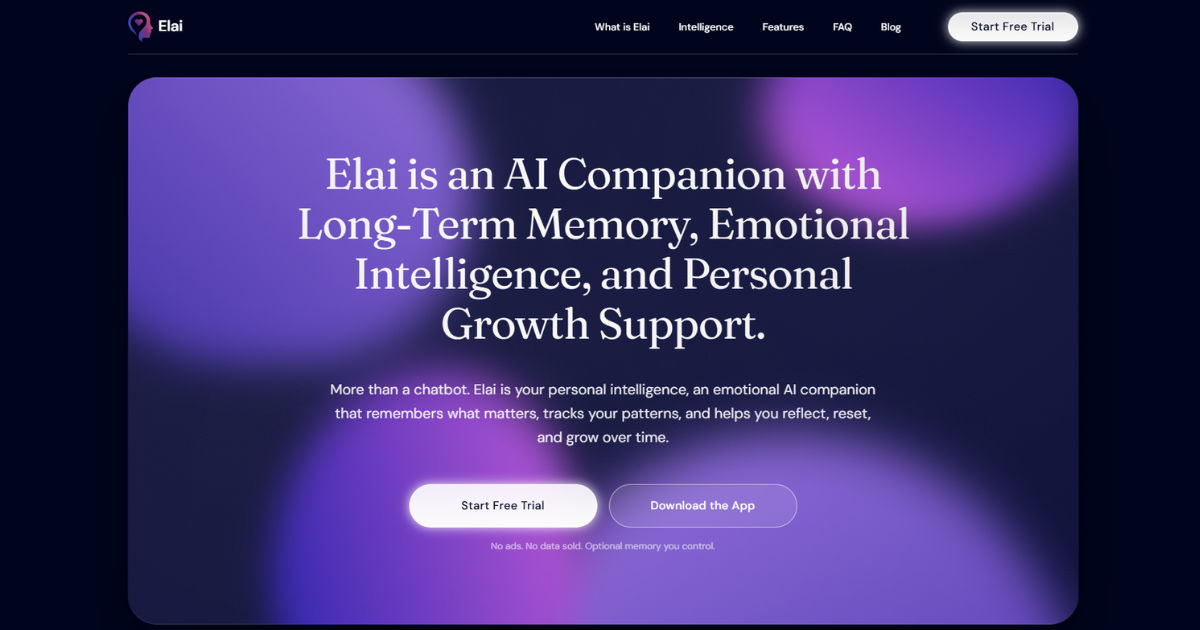 From helping with daily tasks to offering emotional support, this technology is becoming more human-like and accessible. But what exactly is an AI companion interface experience, and why does it matter so much today?
In simple terms, an AI companion interface experience refers to how users interact with intelligent systems designed to behave like supportive, conversational partners.
These systems are not just tools; they feel like assistants, friends, or guides that respond naturally and adapt to your needs.
This guide will help you understand everything about the AI companion interface experience in a clear and easy way. Whether you're a student, a tech enthusiast, or just curious, this article will walk you through the concept step by step.
Understanding the Basics of AI Companion Interfaces
An interface is the point where a human and a machine interact. In traditional systems, this might be a keyboard, mouse, or touchscreen. But in an AI companion interface, the interaction becomes more natural and human-like.
Instead of clicking buttons or typing commands, users can talk, chat, or even use gestures. The system understands context, emotions, and intent. This makes the experience smoother and more engaging.
The goal of an AI companion is not just to provide information but to create a meaningful interaction. It learns from past conversations and adjusts its responses to suit the user.
Key Features of an AI Companion Experience
The AI companion interface experience is defined by several important features that make it unique and powerful.
Natural Communication
One of the biggest strengths of an AI companion is its ability to communicate naturally. It uses language that feels human and easy to understand.
You can ask questions, share thoughts, or even joke around. The system responds in a way that feels personal and relevant.
Personalization
Every user is different, and an AI companion adapts to individual preferences. It remembers past interactions and uses that information to improve future responses.
For example, if you like short answers, the system will adjust accordingly. If you prefer detailed explanations, it will provide more depth.
Emotional Awareness
Modern AI companion systems can recognize emotions through text or voice. This allows them to respond in a more empathetic way.
If you sound stressed or upset, the system may offer encouragement or helpful suggestions. This makes the experience feel more supportive.
Continuous Learning
An AI companion improves over time. It learns from user behavior, feedback, and new data.
This means the experience becomes better and more accurate the more you use it.
Types of AI Companion Interfaces
There are different types of AI companion interfaces, each designed for specific purposes.
Chat-Based Interfaces
These are the most common types of AI companion systems. Users interact through text messages, similar to chatting with a friend.
Examples include messaging apps, customer support bots, and personal assistants.
Voice-Based Interfaces
Voice assistants are another form of AI companion. Users speak commands, and the system responds with spoken answers.
This type of interface is popular in smart homes and mobile devices.
Visual and Avatar-Based Interfaces
Some AI companion systems include visual characters or avatars. These can mimic human expressions and gestures.
This makes the interaction more engaging and lifelike.
Mixed Reality Interfaces
Advanced AI companion experiences use augmented reality (AR) or virtual reality (VR). These systems create immersive environments where users can interact with AI in a 3D space.
How AI Companion Interfaces Work
Behind every AI companion is a combination of advanced technologies working together.
Natural Language Processing (NLP)
NLP allows the system to understand and respond to human language. It helps the AI companion interpret meaning, context, and tone.
Machine Learning
Machine learning enables the system to improve over time. It analyzes data and learns from user interactions.
This helps the AI companion become more accurate and personalized.
Data Analysis
The system collects and processes data to understand user behavior. This helps it provide relevant suggestions and responses.
Context Awareness
An AI companion can remember previous conversations and use that information to maintain context.
This creates a smoother and more natural interaction.
Benefits of AI Companion Interface Experience
The rise of the AI companion has brought many advantages to users across different areas of life.
Convenience
An AI companion makes tasks easier and faster. You can get information, set reminders, or solve problems with simple commands.
Accessibility
These systems are easy to use for people of all ages. Even those with limited technical knowledge can interact with an AI companion.
Emotional Support
Some users find comfort in talking to an AI companion. It can provide encouragement and reduce feelings of loneliness.
Productivity
An AI companion helps manage time, organize tasks, and improve efficiency. This is especially useful for students and professionals.
Challenges and Limitations
While the AI companion interface experience offers many benefits, it also comes with challenges.
Privacy Concerns
Since an AI companion collects data, there are concerns about how that information is used and stored.
Users need to be aware of privacy policies and security measures.
Lack of True Emotion
Even though an AI companion can simulate emotions, it does not truly feel them. This can sometimes make interactions feel less genuine.
Dependence on Technology
Over-reliance on an AI companion may reduce human interaction. It is important to maintain a balance.
Errors and Misunderstandings
No system is perfect. An AI companion may misunderstand commands or provide incorrect information.
Real-Life Applications of AI Companion Interfaces
The AI companion is used in many areas of everyday life.
Education
Students use an AI companion for learning, homework help, and research. It makes studying more interactive and engaging.
Healthcare
In healthcare, an AI companion can remind patients to take medication and provide basic health advice.
Customer Support
Businesses use an AI companion to handle customer inquiries quickly and efficiently.
Personal Assistance
From setting alarms to managing schedules, an AI companion acts like a digital assistant.
Designing a Good AI Companion Interface
Creating an effective AI companion interface requires careful planning and design.
User-Friendly Design
The interface should be simple and easy to use. Users should not feel confused or overwhelmed.
Clear Communication
The AI companion should provide clear and accurate responses. Avoiding complex language helps users understand better.
Trust and Transparency
Users should know how their data is used. A trustworthy AI companion builds confidence and reliability.
Adaptability
The system should adjust to different users and situations. Flexibility is key to a successful AI companion experience.
Future of AI Companion Interface Experience
The future of the AI companion is full of exciting possibilities.
More Human-Like Interactions
Advancements in technology will make the AI companion even more natural and realistic.
Better Emotional Intelligence
Future systems may understand emotions more deeply, improving the overall experience.
Integration with Daily Life
The AI companion will become a regular part of everyday activities, from work to entertainment.
Increased Personalization
As data analysis improves, the AI companion will offer even more customized experiences.
Ethical Considerations
As the AI companion becomes more advanced, ethical issues must be addressed.
Data Privacy
Protecting user data is essential. Companies must ensure that the AI companion handles information securely.
Transparency
Users should understand how the system works and what it can do.
Responsible Use
The AI companion should be used in a way that benefits society and avoids harm.
Tips for Using AI Companion Interfaces Effectively
To get the most out of an AI companion, users should follow some simple tips.
- Be clear and specific when giving instructions
- Use natural language for better understanding
- Provide feedback to improve performance
- Stay aware of privacy settings
These practices can enhance the overall AI companion experience.
Conclusion
The AI companion interface experience represents a major shift in how humans interact with technology. It moves beyond simple commands and creates a more natural, engaging, and personalized interaction.
By combining advanced technologies like natural language processing and machine learning, the AI companion offers convenience, support, and efficiency in everyday life. From education to healthcare, its applications are vast and growing rapidly.
However, it is important to be aware of its limitations and challenges, including privacy concerns and the lack of true emotional understanding. Responsible use and thoughtful design are essential to ensure that the AI companion continues to benefit users in meaningful ways.
As technology evolves, the AI companion will become even more integrated into our daily lives. It will not only assist us but also shape how we communicate, learn, and connect with the world.
Understanding the AI companion interface experience today prepares us for a future where human and artificial intelligence work side by side in harmony.